

Can a loose wool dyeing machine be used for low - temperature dyeing?
Dec 16, 2025
In the dynamic realm of textile dyeing, the pursuit of efficient, cost - effective, and environmentally friendly dyeing methods is a constant. Low - temperature dyeing has emerged as a promising approach, offering numerous benefits such as reduced energy consumption, less fiber damage, and lower environmental impact. As a leading supplier of Loose Wool Dyeing Machine, we often receive inquiries about whether our machines can be used for low - temperature dyeing. This blog post aims to delve into this question, exploring the technical aspects, advantages, and limitations of using a loose wool dyeing machine for low - temperature dyeing.
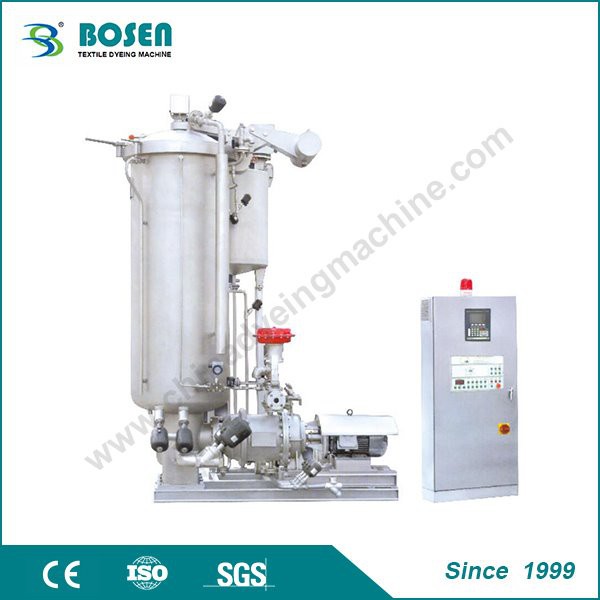

Technical Feasibility of Low - Temperature Dyeing with Loose Wool Dyeing Machines
To understand whether a loose wool dyeing machine can be used for low - temperature dyeing, we first need to examine the basic principles of both low - temperature dyeing and the operation of loose wool dyeing machines.
Low - temperature dyeing typically involves using dyes and auxiliary agents that can achieve satisfactory coloration at temperatures lower than the traditional dyeing temperatures. For wool, traditional dyeing often occurs at relatively high temperatures (around 98 - 100°C) to ensure proper penetration and fixation of dyes. However, low - temperature dyeing can be carried out at temperatures ranging from 60 - 80°C, depending on the type of dyes and auxiliaries used.
Our loose wool dyeing machines are designed with advanced temperature control systems. These systems can precisely regulate the temperature inside the dyeing chamber, allowing for stable operation within a wide temperature range. This means that the machine has the technical ability to maintain the low temperatures required for low - temperature dyeing. Moreover, the machines are equipped with efficient circulation systems that ensure uniform distribution of dyes and auxiliaries in the dyeing liquor, which is crucial for achieving consistent coloration at low temperatures.
Advantages of Using a Loose Wool Dyeing Machine for Low - Temperature Dyeing
Energy Savings
One of the most significant advantages of low - temperature dyeing is energy savings. High - temperature dyeing consumes a large amount of energy to heat the dyeing liquor to the required temperature. By reducing the dyeing temperature, the energy consumption of the loose wool dyeing machine can be significantly reduced. This not only lowers the operating costs for textile manufacturers but also contributes to environmental sustainability by reducing carbon emissions.
Fiber Protection
Wool fibers are sensitive to high temperatures. Prolonged exposure to high temperatures can cause fiber damage, such as reduced strength, loss of elasticity, and changes in the surface structure of the fibers. Low - temperature dyeing using our loose wool dyeing machines can minimize these negative effects, resulting in wool products with better quality and longer service life.
Environmental Friendliness
Low - temperature dyeing generally requires less use of energy - intensive heating equipment and may also reduce the need for certain high - temperature - resistant dyes and auxiliaries. This can lead to a decrease in the overall environmental impact of the dyeing process, including reduced water pollution and lower chemical waste generation.
Improved Dyeing Quality
At low temperatures, the diffusion rate of dyes in the wool fibers is more controllable. This can result in more uniform coloration and better color fastness. The advanced circulation systems in our loose wool dyeing machines further enhance this effect by ensuring that the dyes are evenly distributed in the dyeing liquor, reducing the risk of color differences and stains.
Limitations and Challenges
While there are many advantages to using a loose wool dyeing machine for low - temperature dyeing, there are also some limitations and challenges that need to be addressed.
Dye Selection
Not all dyes are suitable for low - temperature dyeing. Special low - temperature dyes need to be selected, which may have different properties and cost compared to traditional dyes. These dyes often require specific auxiliary agents to enhance their dyeing performance at low temperatures. Therefore, textile manufacturers need to invest time and resources in researching and selecting the appropriate dyes and auxiliaries for low - temperature dyeing.
Longer Dyeing Time
In general, low - temperature dyeing may require a longer dyeing time compared to high - temperature dyeing. This is because the diffusion rate of dyes in the fibers is slower at lower temperatures. As a result, the production efficiency of the loose wool dyeing machine may be affected to some extent. However, with the continuous improvement of dyes and auxiliaries, the dyeing time can be gradually reduced.
Compatibility with Existing Processes
Textile manufacturers may have established dyeing processes and production lines based on traditional high - temperature dyeing. Switching to low - temperature dyeing using a loose wool dyeing machine may require some adjustments to the existing processes, including changes in the formulation of dyeing liquors, the selection of auxiliary agents, and the optimization of process parameters. This can be a challenge for some manufacturers, especially those with limited technical resources.
Case Studies and Practical Applications
To illustrate the practicality of using a loose wool dyeing machine for low - temperature dyeing, let's look at some real - world case studies.
A textile company that specializes in high - end wool products recently adopted our loose wool dyeing machine for low - temperature dyeing. By using special low - temperature dyes and auxiliaries, they were able to achieve excellent coloration at 70°C. The energy consumption of their dyeing process was reduced by approximately 30% compared to the traditional high - temperature dyeing method. Moreover, the quality of the dyed wool products was significantly improved, with better fiber strength and color fastness. This led to an increase in customer satisfaction and a competitive edge in the market.
Another example is a small - scale wool textile manufacturer. They were facing high production costs due to the high energy consumption of their traditional dyeing process. After switching to low - temperature dyeing using our loose wool dyeing machine, they were able to reduce their production costs by 25%. This not only improved their profitability but also allowed them to expand their business by offering more cost - effective products.
Other Related Dyeing Machines in Our Product Line
In addition to our Loose Wool Dyeing Machine, we also offer other types of dyeing machines that may be relevant to low - temperature dyeing.
The HTHP Package Yarn Dyeing Machine is designed for dyeing yarn packages. Similar to the loose wool dyeing machine, it also has precise temperature control and efficient circulation systems, making it suitable for low - temperature dyeing of various types of yarns, including wool yarns.
Our Vertical Yarn Dyeing Machines are known for their large - capacity dyeing and excellent circulation performance. They can also be used for low - temperature dyeing, providing textile manufacturers with more options for different production requirements.
Conclusion and Call to Action
In conclusion, our loose wool dyeing machines can indeed be used for low - temperature dyeing. With their advanced temperature control and circulation systems, they offer a reliable solution for textile manufacturers looking to adopt low - temperature dyeing technology. The advantages of low - temperature dyeing, such as energy savings, fiber protection, and environmental friendliness, make it an attractive option for the future of the textile industry.
If you are interested in exploring the possibilities of low - temperature dyeing using our loose wool dyeing machines or other related dyeing machines in our product line, we encourage you to contact us. Our team of experts is ready to provide you with detailed information, technical support, and customized solutions to meet your specific dyeing needs. Let's work together to achieve more efficient, sustainable, and high - quality textile dyeing processes.
References
- "Textile Dyeing and Finishing Technology" by X. Zhao
- "Advances in Low - Temperature Dyeing of Wool" in the Journal of Textile Research