

How does a Jigger Dyeing Machine handle reactive dyes?
May 21, 2025
Reactive dyes are widely used in the textile industry due to their excellent color fastness, bright hues, and wide range of color options. As a leading supplier of Jigger Dyeing Machines, we understand the importance of effectively handling reactive dyes to achieve high - quality dyeing results. In this blog, we will explore how our Jigger Dyeing Machines handle reactive dyes, from the basic principles to the key processes and advantages.
Basic Principles of Reactive Dyeing
Reactive dyes work by forming a covalent bond with the fibers of the textile material. This chemical reaction occurs under specific conditions of temperature, pH, and time. When reactive dyes come into contact with the textile fibers, the reactive groups in the dye molecules react with the functional groups on the fiber surface, such as hydroxyl groups in cellulose fibers or amino groups in protein fibers. This covalent bonding ensures that the dye is firmly attached to the fibers, resulting in good color fastness.
Our Jigger Dyeing Machines are designed to create and control these specific conditions for effective reactive dyeing. They can accurately regulate the temperature, maintain the proper pH level, and ensure sufficient contact time between the dyes and the textile materials.
Key Processes in Handling Reactive Dyes with Jigger Dyeing Machines
1. Pre - treatment
Before the dyeing process, the textile materials need to be pre - treated. This step is crucial as it prepares the fibers to better absorb the reactive dyes. The pre - treatment may include scouring, bleaching, and mercerizing. Our Jigger Dyeing Machines can be used for some of these pre - treatment processes. For example, the scouring process can remove impurities, oils, and waxes from the textile surface, allowing the reactive dyes to penetrate the fibers more easily.
The High Temperature High Pressure Automatic Dye Jigger can provide a controlled environment for pre - treatment. It can heat the dye bath to the required temperature and maintain a stable pressure, which is beneficial for more efficient pre - treatment.
2. Dye Bath Preparation
The preparation of the dye bath is a critical step in reactive dyeing. The reactive dyes need to be properly dissolved in the dye bath. Our machines are equipped with advanced mixing systems that can ensure uniform dispersion of the dyes in the water. The correct amount of dyes, salts, and alkalis need to be added to the dye bath according to the dyeing recipe.
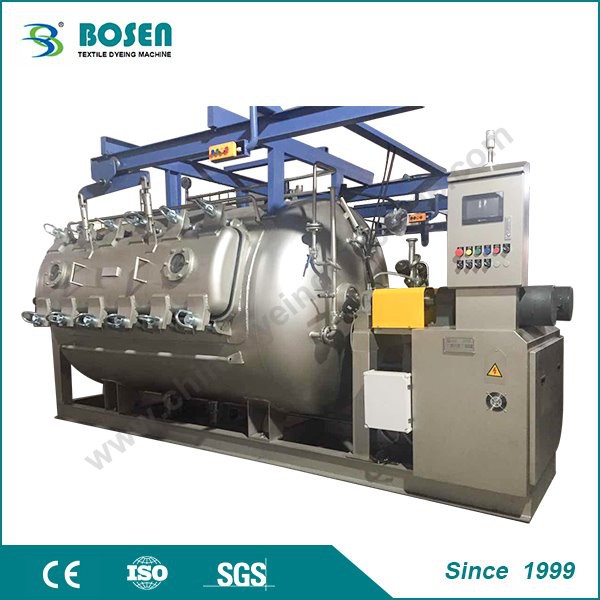

Salts are often added to the dye bath to promote the exhaustion of the dyes onto the fibers. Alkalis are used to adjust the pH of the dye bath to the optimal level for the covalent bonding reaction between the dyes and the fibers. Our Automatic Dyeing Jigger Machine can accurately measure and add these chemicals to the dye bath, ensuring the consistency of the dyeing process.
3. Dyeing Process
Once the dye bath is prepared, the textile material is loaded into the Jigger Dyeing Machine. The machine continuously moves the textile through the dye bath, ensuring that all parts of the fabric come into contact with the dyes. The speed of the fabric movement can be adjusted according to the type of textile and the dyeing requirements.
The temperature of the dye bath is carefully controlled during the dyeing process. Different reactive dyes have different optimal dyeing temperatures. Our machines can heat or cool the dye bath to maintain the desired temperature. For example, some reactive dyes require a relatively high temperature (around 80 - 90°C) for better dyeing results, while others may work well at lower temperatures.
The Atmospheric Jigger Dyeing Machine is suitable for dyeing processes that do not require high - pressure conditions. It provides a cost - effective solution for many textile dyeing applications, especially for lighter - weight fabrics.
4. Fixation
After the dyeing process, the reactive dyes need to be fixed onto the fibers. This is usually achieved by adjusting the pH of the dye bath to a higher level and increasing the temperature for a certain period. Our Jigger Dyeing Machines can precisely control these parameters during the fixation process. The covalent bonding between the dyes and the fibers is strengthened during fixation, improving the color fastness of the dyed textile.
5. Post - treatment
Post - treatment is an important step to remove the unfixed dyes and improve the overall quality of the dyed textile. The post - treatment may include washing, soaping, and rinsing. Our machines can be used for these post - treatment processes. The washing process can remove the surface - adhered dyes, while the soaping process can further remove the unfixed dyes from the interior of the fibers. Rinsing is used to clean the textile and remove any remaining chemicals.
Advantages of Using Our Jigger Dyeing Machines for Reactive Dyes
1. Precise Control
Our Jigger Dyeing Machines offer precise control over temperature, pH, time, and other parameters. This precision ensures consistent and high - quality dyeing results. The ability to accurately control these factors is essential for reactive dyeing, as even small variations can affect the color fastness and color uniformity of the dyed textile.
2. Energy Efficiency
We have designed our machines to be energy - efficient. The advanced heating and cooling systems can quickly reach and maintain the desired temperature with minimal energy consumption. This not only reduces the operating costs for our customers but also contributes to environmental sustainability.
3. Versatility
Our Jigger Dyeing Machines can handle a wide range of textile materials, including cotton, silk, wool, and synthetic fibers. They can also be used with different types of reactive dyes, making them suitable for various dyeing applications.
4. Easy Operation and Maintenance
Our machines are designed with user - friendly interfaces, making them easy to operate. The maintenance requirements are also relatively low, which reduces the downtime and maintenance costs for our customers.
Conclusion
In conclusion, our Jigger Dyeing Machines are well - equipped to handle reactive dyes effectively. From pre - treatment to post - treatment, they provide precise control over all the key processes involved in reactive dyeing. The advantages of our machines, such as precise control, energy efficiency, versatility, and easy operation, make them an ideal choice for textile manufacturers who want to achieve high - quality dyeing results with reactive dyes.
If you are interested in our Jigger Dyeing Machines and want to learn more about how they can handle reactive dyes for your specific textile dyeing needs, we invite you to contact us for procurement and further discussions. We are committed to providing you with the best solutions and excellent customer service.
References
- Lewis, D. M. (Ed.). (2011). The theory of dyeing of textile fibers. Woodhead Publishing.
- Zollinger, H. (2003). Color chemistry: synthesis, properties, and applications of organic dyes and pigments. Wiley - VCH.