

How does an Overflow Dyeing Machine compare with other dyeing machines?
Nov 10, 2025
Hey there! As a supplier of Overflow Dyeing Machines, I've seen firsthand how these machines stack up against other dyeing machines in the market. In this blog post, I'll break down the key differences and advantages of overflow dyeing machines compared to other types, so you can make an informed decision for your textile dyeing needs.
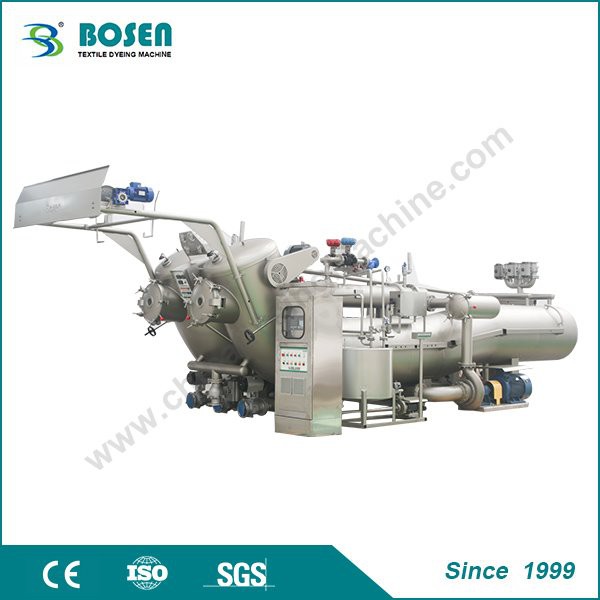
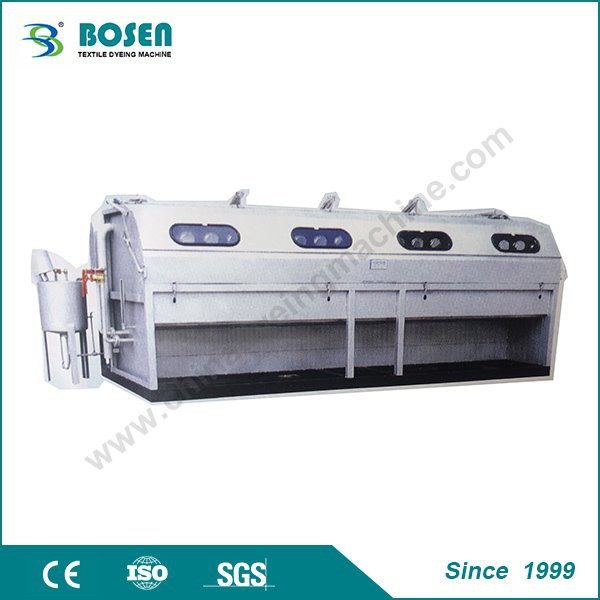
What's an Overflow Dyeing Machine?
First off, let's quickly cover what an overflow dyeing machine is. An Overflow Jet Dyeing Machine is a popular choice in the textile industry. It works by continuously circulating the dye liquor through the fabric. The fabric moves through the machine in a relaxed state, thanks to the overflow of the dye liquor. This method helps ensure even dye penetration and reduces the risk of fabric damage.
Comparing with High Temperature Air Jet Dyeing Machines
Let's start by comparing overflow dyeing machines with High Temperature Air Jet Dyeing Machines. High temperature air jet dyeing machines use hot air to propel the fabric through the dyeing process.
One major difference is the dyeing medium. Overflow dyeing machines use a liquid dye liquor, while air jet machines use hot air. The liquid medium in overflow machines generally provides better dye transfer and coverage. The dye liquor can fully immerse the fabric, allowing the dye to penetrate evenly into the fibers. In contrast, air jet machines rely on the force of the air to carry the dye particles onto the fabric, which might not always result in as consistent dyeing, especially for thicker or denser fabrics.
Another aspect is the fabric handling. Overflow machines are gentler on the fabric. The fabric moves in a more relaxed manner in the dye liquor, reducing the chances of creasing or stretching. Air jet machines, on the other hand, use high - speed air to move the fabric, which can put more stress on the fabric. This can be a problem for delicate fabrics like silk or some synthetic blends that are prone to damage.
In terms of energy consumption, air jet machines tend to use more energy because they need to heat the air to high temperatures. Overflow machines, while they do require energy to heat the dye liquor, generally have a lower overall energy consumption, especially when considering long - term operation.
Comparing with Other Textile Fabric Dyeing Machines
Now, let's look at how overflow dyeing machines compare with other Textile Fabric Dyeing Machines in general. There are various types of dyeing machines out there, such as pad dyeing machines and beam dyeing machines.
Pad dyeing machines work by passing the fabric through a bath of dye and then squeezing it between rollers to remove excess dye. This method is great for large - scale, continuous dyeing of flat fabrics. However, it might not be as effective for achieving deep, uniform dyeing on some fabrics. Overflow dyeing machines, with their continuous circulation of dye liquor, can provide more consistent and deeper dye penetration, especially for knitted and woven fabrics.
Beam dyeing machines are used for dyeing fabrics wound on beams. This method is suitable for small - batch dyeing and can be precise for certain types of fabrics. But it has limitations in terms of the size and shape of the fabric that can be dyed. Overflow dyeing machines are more versatile in this regard. They can handle a wide range of fabric types, sizes, and shapes, from small pieces to large bolts of fabric.
Advantages of Overflow Dyeing Machines
One of the biggest advantages of overflow dyeing machines is their ability to produce high - quality, uniform dyeing. The continuous circulation of the dye liquor ensures that every part of the fabric comes into contact with the dye evenly. This results in a consistent color throughout the fabric, which is crucial for meeting customer expectations in the textile market.
Another advantage is the reduced risk of fabric damage. As mentioned earlier, the fabric moves in a relaxed state in the dye liquor, minimizing the chances of creasing, stretching, or other forms of damage. This is especially important for high - value or delicate fabrics.
Overflow dyeing machines are also relatively easy to operate and maintain. They have a simple design compared to some other types of dyeing machines, which means less downtime for maintenance and fewer technical issues. This can save you time and money in the long run.
Considerations When Choosing a Dyeing Machine
When you're in the market for a dyeing machine, there are a few things to keep in mind. First, think about the type of fabric you'll be dyeing. If you're working with delicate or high - end fabrics, an overflow dyeing machine might be the best choice due to its gentle handling. If you're dealing with large - scale, continuous dyeing of flat fabrics, a pad dyeing machine could be more suitable.
Cost is also a major factor. You need to consider not only the initial purchase price but also the long - term operating costs, including energy consumption, maintenance, and the cost of dyes. Overflow dyeing machines generally have a reasonable initial cost and lower long - term operating costs compared to some other types.
Production volume is another consideration. If you have a high - volume production requirement, you'll need a machine that can handle large batches efficiently. Overflow dyeing machines can be configured to handle different batch sizes, making them a good option for both small - and large - scale production.
Conclusion
In conclusion, overflow dyeing machines have a lot going for them when compared to other dyeing machines. Their ability to provide uniform dyeing, reduce fabric damage, and offer versatility in fabric handling makes them a top choice for many textile manufacturers. Whether you're a small - scale producer or a large - scale factory, an overflow dyeing machine can help you achieve high - quality dyeing results.
If you're interested in learning more about our overflow dyeing machines or are looking to purchase one for your textile business, don't hesitate to reach out. We're here to answer any questions you might have and help you find the right solution for your dyeing needs. Let's have a chat and see how we can take your textile dyeing process to the next level.
References
- "Textile Dyeing Technology" by some industry expert
- Various industry reports on textile dyeing machine performance and comparison