

How to adjust the dyeing depth in a Sample Dyeing Machine?
Jan 06, 2026
Dyeing depth plays a crucial role in the textile industry, as it directly affects the visual appearance and quality of dyed fabrics. Adjusting the dyeing depth in a Sample Dyeing Machine requires a combination of knowledge, experience, and precision. As a leading Sample Dyeing Machine supplier, we understand the importance of achieving accurate and consistent dyeing results. In this blog post, we will share some practical tips on how to adjust the dyeing depth in a Sample Dyeing Machine.
Understanding the Factors Affecting Dyeing Depth
Before we delve into the adjustment methods, it's essential to understand the factors that influence dyeing depth. These factors include:
- Dye Concentration: The dye concentration in the dye bath is directly proportional to the dyeing depth. Higher dye concentrations generally result in deeper colors.
- Dyeing Time: The longer the fabric is exposed to the dye solution, the more dye will be absorbed, leading to a deeper color.
- Dyeing Temperature: Increasing the dyeing temperature can enhance the dyeing rate and help the dye penetrate the fabric more effectively, resulting in a deeper color.
- pH Value: The pH value of the dye bath can significantly affect the dyeing process. Different dyes have different optimal pH ranges, and adjusting the pH value can help achieve the desired dyeing depth.
- Fabric Type: Different types of fabrics have different dyeing properties. For example, natural fibers such as cotton and silk tend to absorb dyes more easily than synthetic fibers.
Adjusting Dye Concentration
One of the most straightforward ways to adjust the dyeing depth is by changing the dye concentration in the dye bath. If you want to achieve a deeper color, you can increase the amount of dye added to the dye bath. Conversely, if you want a lighter color, you can reduce the dye concentration.
However, it's important to note that increasing the dye concentration beyond a certain point may not necessarily result in a proportional increase in dyeing depth. This is because the fabric has a limited capacity to absorb dye, and excessive dye may lead to uneven dyeing or staining.
When adjusting the dye concentration, it's recommended to conduct small-scale tests first to determine the optimal dye concentration for your specific fabric and dye combination. You can gradually increase or decrease the dye concentration in each test and evaluate the dyeing results to find the right balance.

Controlling Dyeing Time
Dyeing time is another critical factor that affects dyeing depth. Generally, longer dyeing times allow more dye to be absorbed by the fabric, resulting in a deeper color. However, prolonged dyeing time may also cause the fabric to become damaged or the dye to fade.
To adjust the dyeing depth by controlling the dyeing time, you can start by setting a standard dyeing time based on the fabric type, dye type, and dyeing conditions. Then, you can conduct a series of tests with different dyeing times to observe the effect on the dyeing depth.
For example, if you want to achieve a deeper color, you can increase the dyeing time slightly in each test. However, make sure to monitor the fabric closely during the dyeing process to avoid over-dyeing. If you find that the dyeing depth is too deep, you can reduce the dyeing time in subsequent tests.
Optimizing Dyeing Temperature
Dyeing temperature can have a significant impact on the dyeing process and the resulting dyeing depth. Increasing the dyeing temperature can accelerate the dyeing rate and help the dye penetrate the fabric more effectively, leading to a deeper color.
However, different dyes have different optimal dyeing temperatures, and exceeding the recommended temperature range may cause the dye to decompose or the fabric to be damaged. Therefore, it's essential to choose the appropriate dyeing temperature based on the dye type and fabric type.
When adjusting the dyeing temperature, it's recommended to follow the dye manufacturer's instructions and conduct small-scale tests to determine the optimal temperature for your specific dyeing process. You can gradually increase or decrease the temperature in each test and evaluate the dyeing results to find the right temperature setting.
Adjusting pH Value
The pH value of the dye bath can significantly affect the dyeing process and the resulting dyeing depth. Different dyes have different optimal pH ranges, and adjusting the pH value can help achieve the desired dyeing depth.
For example, some acidic dyes require a low pH value (around 4-6) to achieve optimal dyeing results, while some reactive dyes require a high pH value (around 10-12). By adjusting the pH value of the dye bath, you can enhance the dye's affinity for the fabric and improve the dyeing depth.
To adjust the pH value of the dye bath, you can use pH buffers or acids/bases. It's important to add the pH adjuster gradually and monitor the pH value regularly to ensure that it stays within the optimal range.
Considering Fabric Type
Different types of fabrics have different dyeing properties, and the dyeing depth may vary depending on the fabric type. For example, natural fibers such as cotton and silk tend to absorb dyes more easily than synthetic fibers.
When adjusting the dyeing depth for different fabric types, it's important to consider the fabric's characteristics and choose the appropriate dye and dyeing method. For example, for natural fibers, you can use reactive dyes or direct dyes, which have good affinity for the fibers and can achieve deep and vivid colors. For synthetic fibers, you may need to use disperse dyes or acid dyes, which are specifically designed for synthetic fibers.
Using Our Sample Dyeing Machines
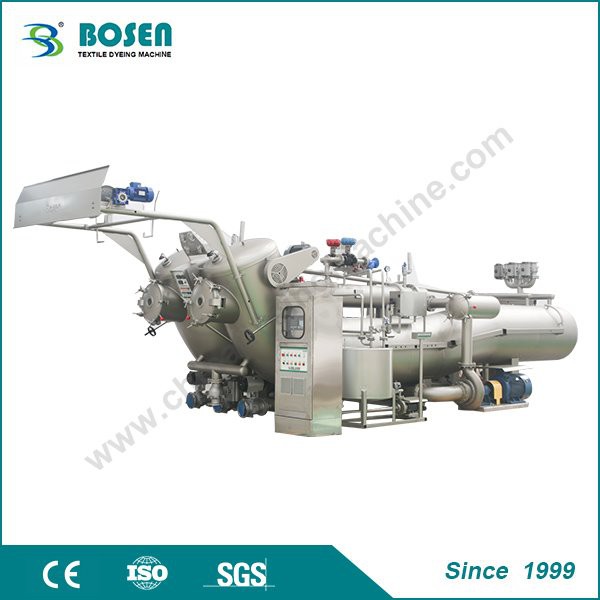
As a Sample Dyeing Machine supplier, we offer a wide range of high-quality Fabric Sample Dyeing Machine and High Temperature Jet Dyeing Machine that can help you achieve accurate and consistent dyeing results. Our machines are equipped with advanced control systems that allow you to precisely adjust the dyeing parameters such as dye concentration, dyeing time, dyeing temperature, and pH value.
In addition, our Sample Fabric Dyeing Machine are designed to provide uniform dyeing and excellent color reproducibility. They are suitable for a variety of fabric types and dyes, and can help you save time and cost in the sample dyeing process.
Conclusion
Adjusting the dyeing depth in a Sample Dyeing Machine requires a comprehensive understanding of the factors that affect dyeing and the ability to control these factors precisely. By following the tips and methods outlined in this blog post, you can achieve accurate and consistent dyeing results and meet the requirements of your customers.
If you are interested in our Sample Dyeing Machines or need more information on how to adjust the dyeing depth, please feel free to contact us. Our experienced team will be happy to assist you with your inquiry and provide you with the best solutions for your textile dyeing needs.
References
- Textile Dyeing Handbook, Second Edition, edited by Michael Lewis
- Principles of Textile Dyeing, by John Shore
- Color Technology in the Textile Industry, by M. Zahid Ansari