

How to adjust the flow rate of the dye liquor on an Overflow Jet Dyeing Machine?
May 12, 2025
How to adjust the flow rate of the dye liquor on an Overflow Jet Dyeing Machine
As a supplier of Overflow Jet Dyeing Machines, I understand the critical role that the flow rate of dye liquor plays in the textile dyeing process. The right flow rate ensures uniform dyeing, minimizes color variations, and improves the overall quality of the dyed fabric. In this blog, I will share some insights on how to adjust the flow rate of the dye liquor on an Overflow Jet Dyeing Machine.
Understanding the Basics of Overflow Jet Dyeing Machines
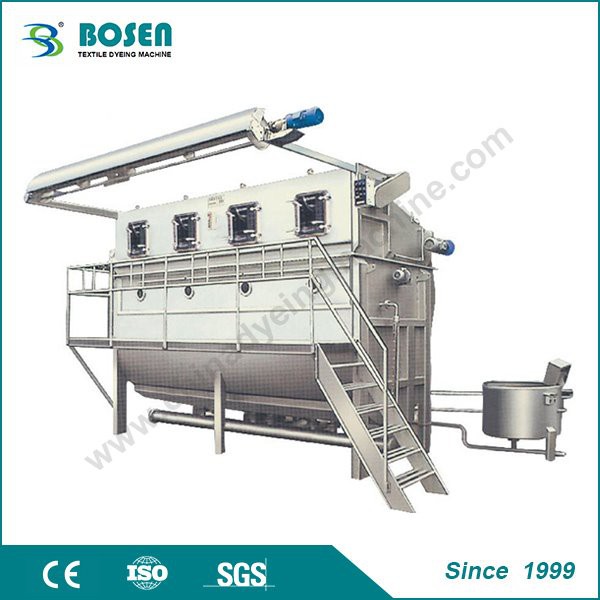
Before delving into the flow rate adjustment, it's essential to understand the basic working principle of an Overflow Jet Dyeing Machine. These machines use a high - speed jet of dye liquor to transport the fabric through the dyeing chamber. The fabric is carried by the flow of the dye liquor, which helps in achieving a more even distribution of the dye.
There are different types of Overflow Jet Dyeing Machines available in the market, such as Overflow Fabric Dyeing Machine, Fabric Overflow Dyeing Machine, and Normal Temperature Overflow Dyeing Machine. Each type has its own features and specifications, but the general concept of dye liquor flow rate adjustment remains similar.
Factors Affecting the Dye Liquor Flow Rate
Several factors can influence the optimal flow rate of the dye liquor in an Overflow Jet Dyeing Machine:
- Fabric Type: Different fabrics have different properties, such as density, thickness, and porosity. For example, lightweight and porous fabrics may require a lower flow rate to prevent excessive agitation and damage, while heavy - duty and dense fabrics may need a higher flow rate to ensure proper penetration of the dye.
- Dye Type: The type of dye used also affects the flow rate. Some dyes are more viscous than others, and a higher flow rate may be needed to ensure that the dye is evenly distributed throughout the fabric.
- Machine Capacity: The size and capacity of the Overflow Jet Dyeing Machine play a role in determining the flow rate. Larger machines may require a higher flow rate to maintain the same level of agitation and dye distribution as smaller machines.
- Dyeing Temperature: Temperature can affect the viscosity of the dye liquor. At higher temperatures, the dye liquor becomes less viscous, and the flow rate may need to be adjusted accordingly.
Steps to Adjust the Dye Liquor Flow Rate
Here are the general steps to adjust the flow rate of the dye liquor on an Overflow Jet Dyeing Machine:
- Initial Setup and Inspection:
- Before starting the dyeing process, ensure that the machine is clean and in good working condition. Check for any blockages in the pipes, nozzles, or pumps that could affect the flow of the dye liquor.
- Refer to the machine's manual to determine the recommended flow rate range for the specific fabric and dye combination you are using.
- Flow Rate Measurement:
- Most modern Overflow Jet Dyeing Machines are equipped with flow meters that can measure the flow rate of the dye liquor. Use these meters to obtain an accurate reading of the current flow rate.
- If your machine does not have a flow meter, you can estimate the flow rate by measuring the volume of dye liquor that passes through a specific point in a given time period.
- Adjustment of Pumps and Valves:
- The flow rate of the dye liquor is primarily controlled by the pumps and valves in the machine. To increase the flow rate, you can increase the speed of the pump or open the valves wider. Conversely, to decrease the flow rate, reduce the pump speed or close the valves partially.
- Make small adjustments at a time and monitor the flow rate closely. Sudden and large adjustments can cause instability in the dyeing process and lead to uneven dyeing.
- Testing and Evaluation:
- After making an adjustment to the flow rate, run a test batch of fabric through the dyeing machine. Inspect the dyed fabric for any signs of uneven dyeing, such as color streaks or patches.
- If the dyeing results are not satisfactory, make further adjustments to the flow rate and repeat the test until the desired results are achieved.
Tips for Optimal Flow Rate Adjustment
- Regular Maintenance: Keep the machine well - maintained to ensure smooth operation of the pumps, valves, and nozzles. Regularly clean and lubricate these components to prevent blockages and wear.
- Record Keeping: Keep a record of the flow rate settings, fabric types, dye types, and dyeing results for each batch. This will help you identify patterns and make more informed adjustments in the future.
- Training and Education: Ensure that your operators are properly trained in the operation and flow rate adjustment of the Overflow Jet Dyeing Machine. Provide them with regular training sessions to keep them updated on the latest techniques and best practices.
Importance of Correct Flow Rate Adjustment
Adjusting the flow rate of the dye liquor correctly is crucial for several reasons:

- Uniform Dyeing: A proper flow rate ensures that the dye is evenly distributed throughout the fabric, resulting in uniform coloration. This is essential for producing high - quality dyed fabrics that meet customer requirements.
- Fabric Quality: An appropriate flow rate helps prevent damage to the fabric. Excessive flow rate can cause fabric distortion, abrasion, and pilling, while a too - low flow rate may result in incomplete dye penetration.
- Cost - Efficiency: By optimizing the flow rate, you can reduce the amount of dye and energy used in the dyeing process. This leads to cost savings and a more sustainable manufacturing process.
Conclusion
Adjusting the flow rate of the dye liquor on an Overflow Jet Dyeing Machine is a critical aspect of the textile dyeing process. By understanding the factors that affect the flow rate, following the proper adjustment steps, and implementing the tips mentioned above, you can achieve uniform dyeing, improve fabric quality, and enhance cost - efficiency.
If you are in the market for an Overflow Jet Dyeing Machine or need further assistance with flow rate adjustment and other aspects of textile dyeing, we are here to help. Our team of experts can provide you with professional advice and support to meet your specific needs. Contact us to start a procurement discussion and take your textile dyeing operations to the next level.

References
- "Textile Dyeing Technology" by X. M. Hu
- "Dyeing and Finishing of Textiles" by S. K. Sharma