

How to clean an Overflow Jet Dyeing Machine?
Jul 23, 2025
Cleaning an overflow jet dyeing machine is a crucial maintenance task that ensures the machine's optimal performance, prolongs its lifespan, and guarantees high - quality dyeing results. As a well - established overflow jet dyeing machine supplier, I understand the significance of proper cleaning procedures and am here to share comprehensive guidelines on how to clean such a machine effectively.
Pre - cleaning Preparations
Before you start the cleaning process, it is essential to take some preparatory steps. First, ensure that the machine is completely shut down and disconnected from the power source. This is a fundamental safety measure to prevent any electrical accidents during the cleaning.
Next, gather all the necessary cleaning tools and materials. These may include cleaning agents specifically designed for dyeing machines, soft - bristle brushes, sponges, and a supply of clean water. It is important to choose cleaning agents that are compatible with the materials used in the dyeing machine to avoid any damage.
Initial Rinse
The first step in the cleaning process is to perform an initial rinse. Fill the machine with clean water to a sufficient level. This water will help to flush out loose debris, such as lint, fiber fragments, and residual dye particles that may be present in the machine's interior.
Run the machine at a low speed for a short period, usually around 10 - 15 minutes. This will allow the water to circulate through the pipes, nozzles, and other components of the machine, dislodging and carrying away the loose contaminants. After the rinse cycle is complete, drain the water from the machine. Make sure to drain it completely to remove as much of the loosened debris as possible.
Chemical Cleaning
After the initial rinse, it is time for chemical cleaning. Select a suitable cleaning agent. For most overflow jet dyeing machines, alkaline - based cleaners are effective in removing stubborn dye residues, oil, and grease. However, always refer to the machine's user manual for the recommended cleaning agents.
Prepare the cleaning solution according to the manufacturer's instructions. Usually, this involves diluting the cleaning agent in water at a specific ratio. Fill the machine with the prepared cleaning solution and start the machine. Let the solution circulate through the machine for an appropriate duration, which can range from 30 minutes to a few hours depending on the level of contamination.
During the chemical cleaning process, the cleaning solution will react with the contaminants, breaking them down and making them easier to remove. Pay special attention to the nozzles and pipes, as these areas are prone to clogging. You can use a soft - bristle brush to gently scrub the nozzles to ensure they are clear of any blockages.
Cleaning the Nozzles
The nozzles are critical components of the overflow jet dyeing machine, as they are responsible for spraying the dye solution onto the fabric evenly. Over time, the nozzles can become clogged with dye particles and other debris, which can affect the dyeing quality.
To clean the nozzles, remove them from the machine carefully. Soak the nozzles in a container filled with the cleaning solution for a period of time, usually 1 - 2 hours. After soaking, use a small brush, such as a toothbrush, to gently clean the inside and outside of the nozzles. Rinse the nozzles thoroughly with clean water to remove any remaining cleaning solution and debris.
Inspect the nozzles for any signs of damage. If a nozzle is severely clogged or damaged, it may need to be replaced. When reinstalling the nozzles, make sure they are properly seated and tightened to prevent leaks.
Cleaning the Pipes
The pipes in an overflow jet dyeing machine are another area that requires thorough cleaning. Over time, dye residues and other contaminants can build up inside the pipes, reducing the flow rate and affecting the overall performance of the machine.
To clean the pipes, you can use a pipe - cleaning brush or a high - pressure water jet. If using a pipe - cleaning brush, insert it into the pipes and move it back and forth to scrub the inner walls. For more stubborn deposits, a high - pressure water jet can be used to forcefully remove the contaminants.
In addition to mechanical cleaning, you can also use chemical cleaning agents to clean the pipes. Fill the pipes with the cleaning solution and let it sit for a while to dissolve the deposits. Then, flush the pipes with clean water to remove the dissolved contaminants.
Cleaning the Dye Vat
The dye vat is where the dyeing process takes place, and it can accumulate a significant amount of dye residues, sediment, and other contaminants. To clean the dye vat, first, drain any remaining liquid from it.
Use a soft - bristle brush or a sponge to scrub the inner walls of the dye vat with the cleaning solution. Pay special attention to the corners and edges, as these areas tend to collect more contaminants. For stubborn stains, you may need to apply the cleaning solution directly and let it sit for a longer period before scrubbing.
After scrubbing, rinse the dye vat thoroughly with clean water. Make sure to remove all traces of the cleaning solution, as any remaining residue can affect the quality of future dyeing processes.
Final Rinse
Once all the components of the machine have been cleaned, perform a final rinse. Fill the machine with clean water and run it for another 10 - 15 minutes to ensure that all cleaning agents and remaining debris are completely removed.
Drain the water from the machine and wipe the interior surfaces dry with a clean cloth. This will help to prevent the growth of mold and mildew, which can occur in a moist environment.
Maintenance and Inspection
After cleaning the overflow jet dyeing machine, it is important to perform a maintenance check. Inspect all the components of the machine, including the nozzles, pipes, pumps, and valves, for any signs of wear, damage, or leakage.
Lubricate the moving parts of the machine as recommended by the manufacturer. This will help to ensure smooth operation and prevent premature wear. Check the seals and gaskets to make sure they are in good condition. Replace any worn - out seals or gaskets to prevent leaks.
Conclusion
Proper cleaning of an overflow jet dyeing machine is essential for maintaining its performance and ensuring high - quality dyeing results. By following the steps outlined above, you can effectively clean your machine and extend its lifespan.
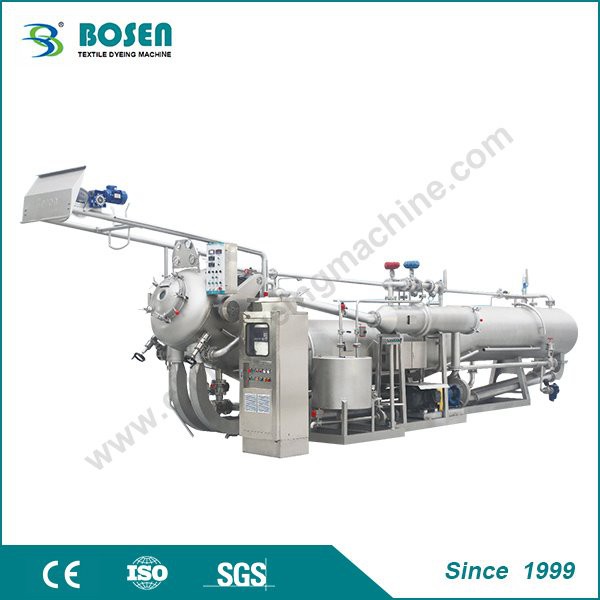

As a supplier of High Temperature and High Pressure Overflow Dyeing Machine, HTHP Fabric Dyeing Machine, and High Temperature Fabric Overflow Dyeing Machine, we are committed to providing you with high - quality machines and comprehensive after - sales support. If you have any questions about cleaning your dyeing machine or are interested in purchasing a new one, please feel free to contact us for further discussion and negotiation.
References
- Manufacturer's user manual of overflow jet dyeing machines
- Textile dyeing industry standards and best practices documents