

How to ensure the reproducibility of dyeing results on a Sample Dyeing Machine?
Nov 20, 2025
Hey there! As a supplier of Sample Dyeing Machines, I know how crucial it is to ensure the reproducibility of dyeing results. It's not just about getting the color right once; it's about being able to replicate that exact shade every single time. In this blog, I'll share some tips and tricks on how to achieve this with our machines.
Understanding the Basics of Dyeing Reproducibility
First things first, let's talk about what reproducibility in dyeing actually means. It refers to the ability to consistently obtain the same color and quality of dyeing on different batches of fabric. This is super important for textile manufacturers because it ensures that their products meet the same standards every time.
There are several factors that can affect the reproducibility of dyeing results. These include the type of dye used, the fabric composition, the dyeing process parameters (like temperature, time, and pH), and the quality of the water. If any of these factors change, it can lead to variations in the dyeing results.
Choosing the Right Dyeing Machine
One of the key steps in ensuring reproducibility is choosing the right Sample Dyeing Machine. We offer a range of machines, including the HTHP Sample Dyeing Machine, the HT Sample Dyeing Machine, and the Fabric Sample Dyeing Machine. Each of these machines is designed to provide precise control over the dyeing process, which is essential for reproducibility.
The HTHP Sample Dyeing Machine, for example, is suitable for high-temperature and high-pressure dyeing processes. It allows for accurate control of temperature, pressure, and time, which helps to ensure consistent dyeing results. The HT Sample Dyeing Machine, on the other hand, is ideal for low-temperature dyeing processes. It offers a more gentle dyeing method, which is suitable for delicate fabrics. And the Fabric Sample Dyeing Machine is specifically designed for dyeing fabric samples. It provides a uniform dyeing effect, which is important for obtaining reproducible results.
Controlling the Dyeing Process Parameters
Once you've chosen the right machine, the next step is to control the dyeing process parameters. This includes setting the correct temperature, time, and pH. These parameters can have a significant impact on the dyeing results, so it's important to get them right.
Temperature is one of the most important factors in the dyeing process. Different dyes require different temperatures to achieve the best results. For example, some dyes may require a high temperature to penetrate the fabric fibers, while others may require a lower temperature to prevent damage to the fabric. It's important to follow the dye manufacturer's instructions regarding the recommended temperature range.
Time is another important parameter. The longer the fabric is exposed to the dye, the more color it will absorb. However, if the dyeing time is too long, it can lead to over-dyeing and uneven color distribution. It's important to find the right balance between dyeing time and color intensity.
pH is also a critical factor. The pH of the dye bath can affect the solubility of the dye and the reactivity of the fabric fibers. Different dyes have different pH requirements, so it's important to adjust the pH of the dye bath accordingly. This can be done by adding acids or alkalis to the dye bath.
Using High-Quality Dyes and Chemicals
In addition to controlling the process parameters, it's also important to use high-quality dyes and chemicals. Low-quality dyes may contain impurities or inconsistent colorants, which can lead to variations in the dyeing results. It's important to choose dyes that are specifically designed for the type of fabric you're dyeing and that have a good reputation for consistency.
Similarly, the quality of the chemicals used in the dyeing process can also affect the reproducibility of the results. For example, the quality of the water can have a significant impact on the dyeing process. Hard water, which contains high levels of minerals, can react with the dye and cause color variations. It's important to use soft water or to treat the water to remove any impurities.
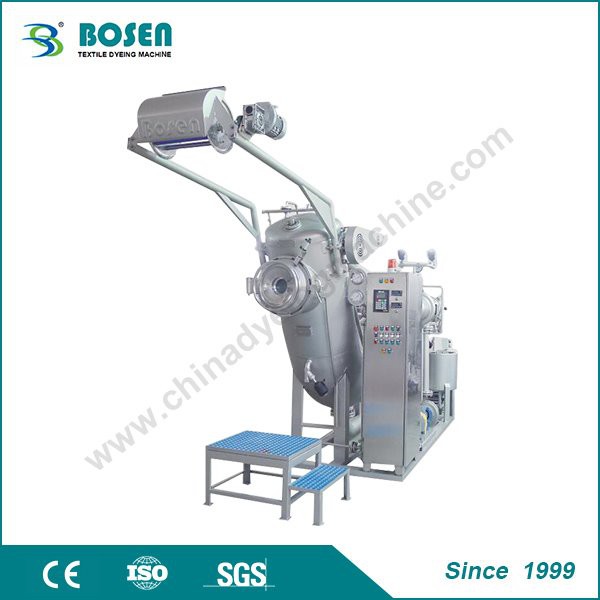

Maintaining the Dyeing Machine
Regular maintenance of the Sample Dyeing Machine is also essential for ensuring reproducibility. Over time, the machine may accumulate dirt, dye residues, and other contaminants, which can affect its performance. It's important to clean the machine regularly and to replace any worn or damaged parts.
In addition to cleaning, it's also important to calibrate the machine regularly. This involves checking and adjusting the temperature, pressure, and other process parameters to ensure that they are accurate. Calibration should be done according to the manufacturer's instructions and at regular intervals.
Conducting Regular Quality Checks
Finally, it's important to conduct regular quality checks to ensure that the dyeing results are consistent. This can be done by taking samples of the dyed fabric and comparing them to a standard sample. If there are any variations in color or quality, it's important to identify the cause and take corrective action.
Quality checks can also be used to monitor the performance of the dyeing machine. If the machine is not producing consistent results, it may be a sign that it needs to be serviced or calibrated.
Conclusion
Ensuring the reproducibility of dyeing results on a Sample Dyeing Machine is a complex process that requires careful attention to detail. By choosing the right machine, controlling the process parameters, using high-quality dyes and chemicals, maintaining the machine, and conducting regular quality checks, you can significantly improve the reproducibility of your dyeing results.
If you're interested in learning more about our Sample Dyeing Machines or have any questions about ensuring dyeing reproducibility, feel free to reach out to us. We're here to help you achieve the best possible results with your dyeing processes.
References
- Textile Dyeing Handbook, Third Edition, by Peter A. Trotman
- Dyeing of Textiles, by R. M. Christie