

How to handle the waste water from a Sample Dyeing Machine?
Jan 13, 2026
As a reputable supplier of Sample Dyeing Machines, I understand the significance of addressing the issue of waste water management. In the textile dyeing process, the waste water generated from sample dyeing machines contains various pollutants such as dyes, chemicals, and heavy metals. If not properly treated, this waste water can have a detrimental impact on the environment and human health. In this blog post, I will share some effective methods on how to handle the waste water from a Sample Dyeing Machine.
Understanding the Composition of Waste Water
Before discussing the treatment methods, it is essential to understand the composition of the waste water from a sample dyeing machine. The waste water typically contains the following components:
- Dyes: Synthetic or natural dyes used in the dyeing process. These dyes are often difficult to degrade and can cause color pollution in water bodies.
- Chemicals: Various chemicals such as salts, alkalis, acids, and surfactants are used to facilitate the dyeing process. These chemicals can increase the pH, conductivity, and chemical oxygen demand (COD) of the waste water.
- Heavy Metals: Some dyes and chemicals may contain heavy metals such as chromium, lead, and mercury. These heavy metals are toxic and can accumulate in the environment and living organisms.
Treatment Methods for Waste Water from Sample Dyeing Machines
There are several treatment methods available for handling the waste water from sample dyeing machines. The choice of treatment method depends on the composition and volume of the waste water, as well as the specific requirements of the treatment. Here are some commonly used treatment methods:
Physical Treatment
- Filtration: Filtration is a simple and effective method for removing suspended solids and large particles from the waste water. This can be achieved using various types of filters, such as sand filters, activated carbon filters, and membrane filters.
- Sedimentation: Sedimentation is a process in which the waste water is allowed to stand still for a period of time, allowing the heavier particles to settle to the bottom. This can be used to remove larger particles and some of the suspended solids from the waste water.
Chemical Treatment
- Coagulation and Flocculation: Coagulation and flocculation are processes in which chemicals are added to the waste water to cause the suspended particles to clump together and form larger aggregates. This makes it easier to separate the particles from the water using sedimentation or filtration.
- Oxidation and Reduction: Oxidation and reduction reactions can be used to break down the organic pollutants and reduce the heavy metal content in the waste water. Common oxidizing agents include hydrogen peroxide, ozone, and chlorine, while reducing agents include sodium bisulfite and ferrous sulfate.
- Neutralization: Neutralization is a process in which acids or alkalis are added to the waste water to adjust the pH to a neutral level. This is important because many treatment methods are effective only within a specific pH range.
Biological Treatment
- Aerobic Treatment: Aerobic treatment involves the use of aerobic microorganisms to break down the organic pollutants in the waste water. This can be achieved using activated sludge systems, trickling filters, or rotating biological contactors.
- Anaerobic Treatment: Anaerobic treatment involves the use of anaerobic microorganisms to break down the organic pollutants in the waste water in the absence of oxygen. This can be used to treat high-strength waste water and can produce biogas as a byproduct.
Advanced Treatment Technologies
In addition to the traditional treatment methods, there are also some advanced treatment technologies available for handling the waste water from sample dyeing machines. These technologies are often more effective in removing the pollutants from the waste water, but they may also be more expensive and require more complex equipment.
- Membrane Separation: Membrane separation processes such as reverse osmosis, nanofiltration, and ultrafiltration can be used to remove the dissolved salts, organic pollutants, and heavy metals from the waste water.
- Advanced Oxidation Processes (AOPs): AOPs such as photocatalysis, ozonation, and Fenton's reagent can be used to generate highly reactive radicals that can break down the organic pollutants in the waste water.
Choosing the Right Treatment Method
When choosing the right treatment method for the waste water from a sample dyeing machine, it is important to consider the following factors:
- Composition and Volume of the Waste Water: The composition and volume of the waste water will determine the type and amount of treatment required. For example, if the waste water contains high levels of heavy metals, a chemical treatment method may be required.
- Treatment Goals: The treatment goals will determine the level of treatment required. For example, if the goal is to reuse the treated water, a more advanced treatment method may be required.
- Cost and Availability of Equipment: The cost and availability of equipment will also affect the choice of treatment method. Some treatment methods may require expensive equipment and may not be suitable for small-scale operations.
Best Practices for Waste Water Management
In addition to choosing the right treatment method, there are also some best practices that can be followed to minimize the generation of waste water and improve the efficiency of the treatment process.
- Source Reduction: Source reduction involves reducing the amount of waste water generated by the sample dyeing machine. This can be achieved by optimizing the dyeing process, using more efficient dyes and chemicals, and recycling the water used in the process.
- Regular Maintenance and Inspection: Regular maintenance and inspection of the sample dyeing machine and the waste water treatment equipment can help to ensure that they are operating properly and efficiently. This can help to prevent breakdowns and reduce the need for costly repairs.
- Training and Education: Training and education of the operators of the sample dyeing machine and the waste water treatment equipment are essential to ensure that they are using the equipment correctly and safely. This can help to improve the efficiency of the treatment process and reduce the risk of environmental pollution.
Conclusion
Handling the waste water from a sample dyeing machine is an important issue that requires careful consideration. By understanding the composition of the waste water, choosing the right treatment method, and following best practices for waste water management, it is possible to minimize the environmental impact of the dyeing process and ensure the sustainable operation of the textile industry.
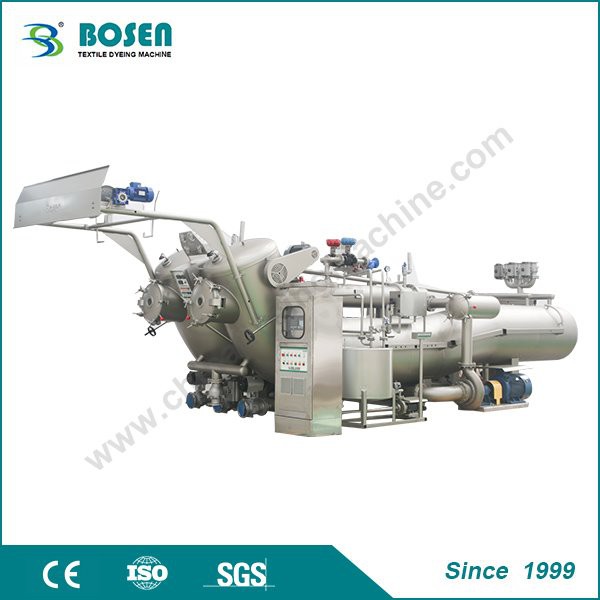

If you are interested in our Automatic Sample Dyeing Machine, High Temperature Jet Dyeing Machine, or Sample Fabric Dyeing Machine, or if you have any questions about waste water treatment for sample dyeing machines, please feel free to contact us. We are always ready to provide you with the best solutions and support.
References
- "Textile Dyeing Wastewater Treatment: A Review" by M. R. H. Siddique et al.
- "Advanced Oxidation Processes for Treatment of Textile Wastewater" by C. A. Santos et al.
- "Membrane Separation Processes for Textile Wastewater Reuse" by N. K. Shukla et al.