

How to improve the color matching accuracy in a Sample Dyeing Machine?
Jun 02, 2025
Hey there! As a supplier of Sample Dyeing Machines, I've seen firsthand how crucial color matching accuracy is in the textile industry. In this blog, I'll share some tips on how to improve color matching accuracy in a Sample Dyeing Machine.
Understanding the Basics of Color Matching
Before we dive into the tips, let's quickly go over the basics of color matching. Color matching is the process of reproducing a specific color on a textile material. It involves selecting the right dyes, adjusting the dyeing parameters, and ensuring consistent dyeing conditions.
In a Sample Dyeing Machine, color matching is typically done by comparing the dyed sample with a reference sample. The goal is to achieve a color that is as close as possible to the reference sample. However, achieving accurate color matching can be challenging due to various factors such as dye variability, fabric characteristics, and dyeing conditions.
Tips to Improve Color Matching Accuracy
1. Use High - Quality Dyes
The quality of the dyes you use plays a significant role in color matching accuracy. High - quality dyes have better color consistency, less variability in shade, and higher color fastness. When choosing dyes, look for reputable suppliers who can provide detailed information about the dyes' properties, including their color index, chemical composition, and application methods.
2. Calibrate Your Sample Dyeing Machine Regularly
Just like any other precision equipment, a Sample Dyeing Machine needs to be calibrated regularly. Calibration ensures that the machine's temperature, pressure, and flow rate are accurate and consistent. Incorrect calibration can lead to variations in dyeing results, which can affect color matching. Follow the manufacturer's guidelines for calibration and perform it at regular intervals.
3. Control the Dyeing Conditions
Dyeing conditions such as temperature, time, and pH can have a significant impact on color matching. Make sure to maintain consistent dyeing conditions for each sample. For example, if the recommended dyeing temperature for a particular dye is 90°C, keep the temperature as close to 90°C as possible throughout the dyeing process. Small fluctuations in temperature can cause variations in color.
4. Prepare the Fabric Properly
The fabric's preparation before dyeing is also crucial. Fabrics should be clean, free from impurities, and have a consistent moisture content. Any dirt, oil, or sizing on the fabric can affect how the dye adheres to the fibers, leading to uneven color or color differences. Pre - treatment processes like scouring and bleaching can help prepare the fabric for dyeing.
5. Use Color Measurement Tools
Invest in color measurement tools such as spectrophotometers. These devices can accurately measure the color of the dyed sample and the reference sample. They provide numerical values for color parameters such as L* (lightness), a* (red - green axis), and b* (yellow - blue axis). By comparing these values, you can get a more objective assessment of the color difference between the two samples and make adjustments as needed.
6. Conduct Multiple Trials
Don't rely on a single dyeing trial. Conduct multiple trials with small adjustments to the dye recipe or dyeing conditions. This way, you can observe how different factors affect the final color and fine - tune the process until you achieve the desired color match.
The Role of Our Sample Dyeing Machines
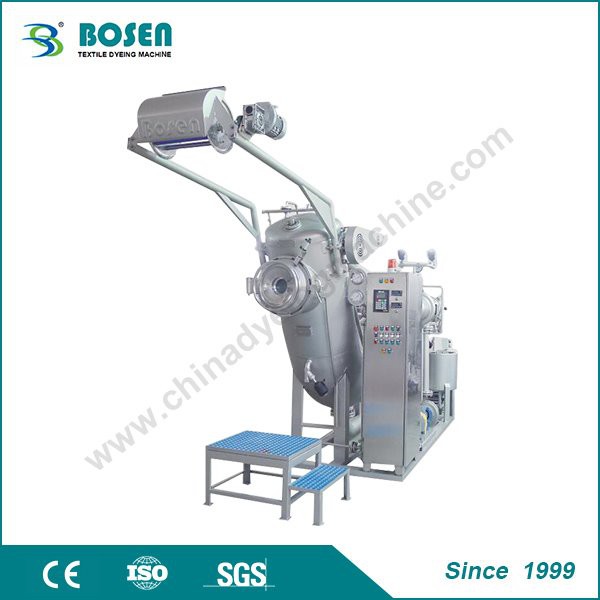
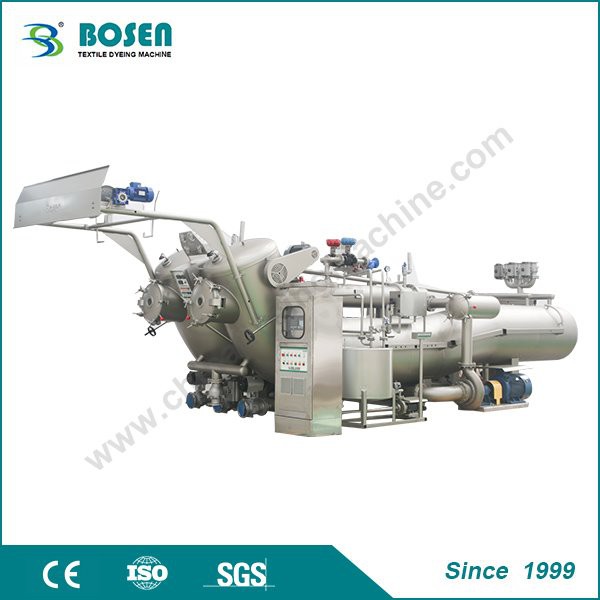
We offer a range of high - quality Sample Dyeing Machines, including the High Temperature Jet Dyeing Machine, Sample Fabric Dyeing Machine, and Fabric Sample Dyeing Machine. These machines are designed with precision engineering to ensure accurate and consistent dyeing results.
Our machines are equipped with advanced control systems that allow you to precisely set and control the dyeing parameters. The temperature control system can maintain a stable temperature within a very narrow range, and the flow rate control ensures uniform dye distribution on the fabric. Additionally, the construction materials of our machines are corrosion - resistant, which helps in maintaining the accuracy of the dyeing process over a long period.
Troubleshooting Common Color Matching Issues
1. Color Variation Between Batches
If you notice color variation between batches, first check the dyeing conditions. Make sure that all the batches were dyed under the same conditions. It could also be due to differences in the fabric batches or dye lots. Try to use the same fabric batch and dye lot for multiple trials to minimize color variation.
2. Inconsistent Color within a Sample
Inconsistent color within a sample can be caused by uneven dye distribution. Check the flow rate of the dye liquor in the machine. A low flow rate may result in poor dye penetration and uneven color. Also, make sure the fabric is properly agitated during the dyeing process to ensure uniform dye uptake.
Contact Us for Your Sample Dyeing Machine Needs
If you're looking to improve your color matching accuracy and need a reliable Sample Dyeing Machine, we're here to help. Our team of experts can provide you with detailed information about our machines, offer technical support, and assist you in choosing the right machine for your specific requirements. Whether you're a small - scale textile manufacturer or a large - scale factory, we have the solutions to meet your needs. Reach out to us to start a conversation about your dyeing machine requirements and take your color matching accuracy to the next level.
References
- Textile Dyeing Technology Handbook, 3rd Edition
- Dye Chemistry and Application, published by a leading textile research institute