

How to monitor the dyeing process of the HTHP Jigger Dyeing Machine?
Jun 04, 2025
Monitoring the dyeing process of a High Temperature High Pressure (HTHP) Jigger Dyeing Machine is crucial for ensuring consistent quality, efficient production, and cost - effectiveness. As a supplier of HTHP Jigger Dyeing Machines, I understand the significance of proper monitoring and would like to share some key aspects and methods for effectively overseeing this process.
Importance of Monitoring the Dyeing Process
The dyeing process in an HTHP Jigger Dyeing Machine is complex. It involves multiple variables such as temperature, pressure, dye concentration, and fabric movement. Any deviation from the optimal values can lead to uneven dyeing, color fastness issues, and even damage to the fabric. By closely monitoring these variables, we can maintain high - quality standards, reduce waste, and improve overall productivity.

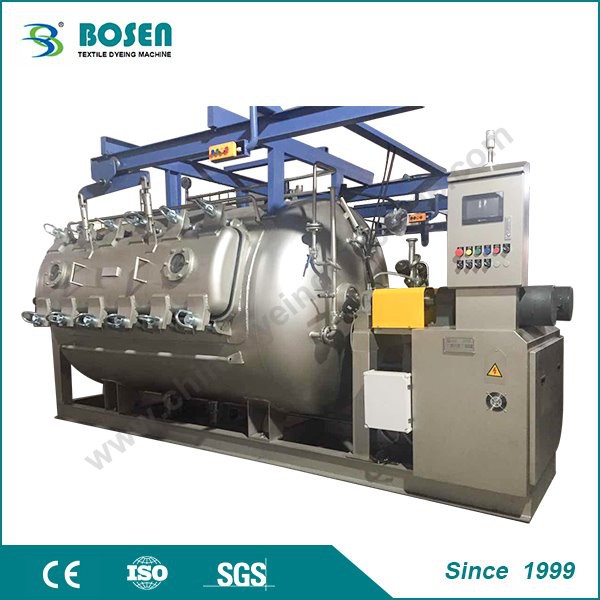
Key Parameters to Monitor
Temperature
Temperature is one of the most critical factors in the dyeing process. Different dyes require specific temperature ranges to achieve the best color penetration and fixation. In an HTHP Jigger Dyeing Machine, the high - temperature environment can accelerate the dyeing process, but it also needs to be carefully controlled.
To monitor the temperature, we can install high - precision temperature sensors at key points in the dyeing vessel. These sensors can continuously transmit temperature data to a control system. The control system can then adjust the heating elements to maintain the desired temperature. For example, if the temperature drops below the set value, the heating elements will be activated to increase the temperature. On the other hand, if it exceeds the set value, the heating can be reduced or stopped.
Pressure
High pressure in an HTHP Jigger Dyeing Machine helps the dye to penetrate the fabric more effectively. However, excessive pressure can cause damage to the fabric and the machine itself. Pressure sensors are used to monitor the pressure inside the dyeing vessel. These sensors can detect any abnormal pressure changes and send signals to the control system. If the pressure is too high, the control system can release some pressure through a pressure - relief valve to ensure the safety of the process.
Dye Concentration
The concentration of the dye in the dyeing liquor directly affects the color intensity of the fabric. To monitor the dye concentration, we can use techniques such as spectrophotometry. A sample of the dyeing liquor can be taken at regular intervals and analyzed using a spectrophotometer. This device measures the absorbance of light at specific wavelengths by the dye molecules in the sample. Based on the absorbance value, the dye concentration can be calculated. If the dye concentration is too low, more dye can be added to the dyeing liquor. If it is too high, the liquor can be diluted.
Fabric Movement
The movement of the fabric in the HTHP Jigger Dyeing Machine is also an important factor. Uneven fabric movement can result in uneven dyeing. We can use sensors such as proximity sensors or optical sensors to monitor the speed and position of the fabric. These sensors can detect if the fabric is moving smoothly or if there are any blockages or tangles. If an issue is detected, the machine can be stopped immediately to prevent further damage to the fabric.
Monitoring Systems and Technologies
Automated Control Systems
Modern HTHP Jigger Dyeing Machines are often equipped with automated control systems. These systems integrate all the sensors and actuators in the machine. They can collect data from the sensors in real - time, analyze it, and make adjustments to the machine's operation accordingly. For example, an automated control system can adjust the temperature, pressure, and dye flow based on the pre - set parameters and the actual data collected from the sensors.
Data Logging and Analysis
Data logging is an essential part of the monitoring process. All the data collected from the sensors, such as temperature, pressure, and dye concentration, can be logged in a database. This data can then be analyzed to identify trends, patterns, and potential problems. For example, if the temperature data shows a gradual increase over time, it may indicate a problem with the cooling system. By analyzing the data, we can take preventive measures before a serious issue occurs.
Remote Monitoring
With the development of technology, remote monitoring has become a popular option. Using wireless communication technology, the data from the HTHP Jigger Dyeing Machine can be transmitted to a remote server. This allows operators to monitor the machine's operation from anywhere, at any time. They can access the data through a web - based interface or a mobile application. Remote monitoring also enables quick response to any emergencies. If an abnormal situation is detected, the operator can receive an alert on their mobile device and take immediate action.
Comparison with Other Dyeing Machines
When comparing the HTHP Jigger Dyeing Machine with other types of dyeing machines, such as SMD Normal Temperature Jigger Dyeing Machines and Automatic Dyeing Jigger Machine, the monitoring requirements are different.
Normal temperature jigger dyeing machines operate at lower temperatures and pressures, so the monitoring of temperature and pressure is less critical compared to HTHP machines. However, the monitoring of dye concentration and fabric movement is still important. Automatic dyeing jigger machines focus more on the automation of the dyeing process, and the monitoring system needs to ensure the proper operation of the automated components.
In contrast, the HTHP Jigger Dyeing Machine requires more strict monitoring due to its high - temperature and high - pressure environment. The monitoring of temperature, pressure, and their interaction is crucial for the success of the dyeing process.
Conclusion
Monitoring the dyeing process of an HTHP Jigger Dyeing Machine is a multi - faceted task that requires a combination of sensors, control systems, and data analysis techniques. By carefully monitoring key parameters such as temperature, pressure, dye concentration, and fabric movement, we can ensure the quality of the dyeing process, improve productivity, and reduce costs.
As a supplier of High Temperature High Pressure Jigger Dyeing Machine, we are committed to providing high - quality machines and comprehensive monitoring solutions. If you are interested in our products or have any questions about the dyeing process monitoring, please feel free to contact us for further discussion and potential procurement.
References
- "Textile Dyeing Technology" - A comprehensive textbook on textile dyeing processes and technologies.
- Industry reports on the latest trends in HTHP Jigger Dyeing Machine technology and monitoring systems.
- Research papers on the use of sensors and control systems in textile dyeing machines.