

How to operate a fabric dyeing machine correctly?
May 29, 2025
Hey there! I'm a supplier of Fabric Dyeing Machines, and today I wanna share some tips on how to operate a fabric dyeing machine correctly. Whether you're a newbie in the textile industry or just looking to brush up your skills, this blog post is for you.
Pre - operation Preparations
Before you even think about starting the dyeing process, there are a bunch of things you need to do. First off, inspect the machine thoroughly. Check for any visible damages like loose parts, leaks in the pipes, or any signs of wear and tear. Make sure all the electrical connections are secure. You don't want any short - circuits during the operation, right?
Next, clean the machine. Remove any leftover fabric scraps, dye residues, or dirt from the previous dyeing runs. A clean machine not only ensures better dyeing results but also extends the lifespan of the equipment. You can use a mild detergent and a soft brush to clean the internal and external parts of the machine.

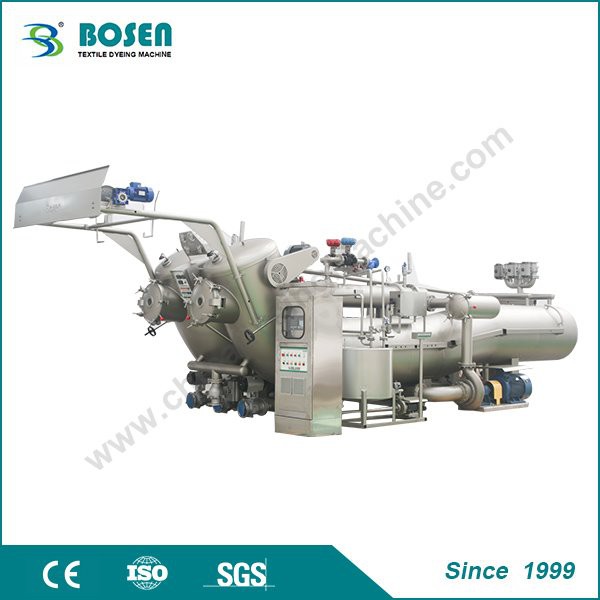
Now, let's talk about the fabric. Select the right type of fabric for the dyeing process. Different fabrics have different dye - absorbing properties. For example, natural fibers like cotton and silk absorb dyes more easily compared to synthetic fibers like polyester. Also, make sure the fabric is pre - treated. This may involve washing it to remove any impurities, sizing agents, or oils that could affect the dyeing process.
You'll also need to prepare the dye solution. Follow the manufacturer's instructions carefully when mixing the dye with water and other chemicals. The concentration of the dye, the temperature of the water, and the mixing time all play crucial roles in achieving the desired color and quality of the dyed fabric.
Loading the Fabric
Once you've completed all the pre - operation preparations, it's time to load the fabric into the machine. Be gentle when handling the fabric to avoid creasing or tangling. If you're using a Jet Flow Dyeing Machine, make sure the fabric is loaded evenly into the machine's chamber. Uneven loading can cause uneven dyeing and may even damage the machine.
For larger batches of fabric, you may need to divide the fabric into smaller sections and load them gradually. This ensures that the fabric moves smoothly through the machine during the dyeing process. Also, make sure the fabric is properly aligned with the machine's feeding mechanism.
Setting the Parameters
After loading the fabric, it's time to set the operating parameters of the machine. The most important parameters include temperature, pressure, and dyeing time.
The temperature is a critical factor in the dyeing process. Different dyes and fabrics require different dyeing temperatures. For example, some dyes work best at low temperatures, while others need high temperatures to penetrate the fabric effectively. Refer to the dye manufacturer's guidelines to set the correct temperature. You can usually adjust the temperature using the machine's control panel.
Pressure also affects the dyeing process. In machines like the Overflow Jet Dyeing Machine, the pressure helps to circulate the dye solution through the fabric. Make sure the pressure is set within the recommended range. Too much pressure can damage the fabric, while too little pressure may result in uneven dyeing.
The dyeing time is another important parameter. It depends on the type of fabric, the dye used, and the desired color intensity. You can start with the recommended dyeing time provided by the dye manufacturer and adjust it based on your experience and the results of test runs.
Starting the Dyeing Process
Once you've set all the parameters, you can start the dyeing process. Press the start button on the machine's control panel and let the machine do its job. During the dyeing process, keep an eye on the machine to make sure everything is running smoothly. Check the temperature, pressure, and the movement of the fabric regularly.
If you notice any abnormal noises, vibrations, or changes in the operating parameters, stop the machine immediately. This could be a sign of a problem, such as a blockage in the pipes or a malfunctioning component. Troubleshoot the issue before restarting the machine.
Post - operation Procedures
After the dyeing process is complete, it's time to unload the fabric. Be careful when removing the fabric from the machine to avoid any contact with the hot dye solution. Once the fabric is unloaded, rinse it thoroughly with cold water to remove any excess dye.
Next, clean the machine again. This is important to prevent the build - up of dye residues and chemicals, which can affect the performance of the machine in future dyeing runs. You can use a cleaning solution specifically designed for fabric dyeing machines.
Different Types of Fabric Dyeing Machines
There are several types of fabric dyeing machines available in the market, each with its own unique features and advantages.
The Jet Flow Dyeing Machine is a popular choice for dyeing synthetic and blended fabrics. It uses a high - speed jet of dye solution to penetrate the fabric quickly, resulting in fast and even dyeing.
The Overflow Jet Dyeing Machine is suitable for dyeing delicate fabrics like silk and chiffon. It has a gentle overflow system that ensures the fabric is dyed evenly without causing any damage.
The NTNP Overflow Dyeing Machine is known for its energy - efficiency and high - quality dyeing results. It uses a unique overflow system to reduce water and energy consumption while achieving excellent dyeing performance.
Maintenance and Troubleshooting
Regular maintenance is essential to keep your fabric dyeing machine in good working condition. This includes lubricating the moving parts, checking the seals and gaskets for leaks, and replacing any worn - out components.
If you encounter any problems with the machine, don't panic. Most common issues can be resolved with some basic troubleshooting. For example, if the machine is not heating up properly, check the heating element and the thermostat. If there is a blockage in the pipes, you can use a pipe cleaner or a high - pressure water jet to clear it.
Conclusion
Operating a fabric dyeing machine correctly requires careful preparation, attention to detail, and regular maintenance. By following the steps outlined in this blog post, you can achieve high - quality dyeing results and extend the lifespan of your machine.
If you're in the market for a new fabric dyeing machine or looking to upgrade your existing one, I'd love to have a chat with you. Reach out to us for more information and to discuss your specific needs. We can help you find the perfect fabric dyeing machine for your business.
References
- Textile Dyeing Handbook: A comprehensive guide to fabric dyeing processes and techniques.
- Manufacturer's manuals for fabric dyeing machines.
- Industry research papers on fabric dyeing technology and best practices.