

How to prevent dye precipitation in a Sample Dyeing Machine?
Aug 20, 2025
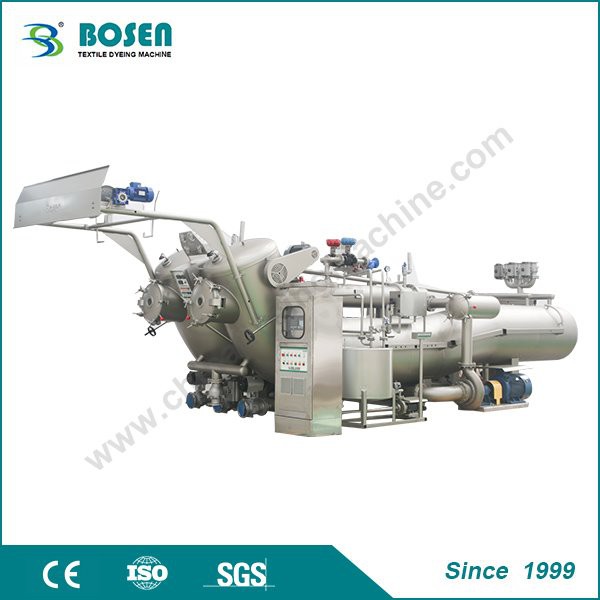
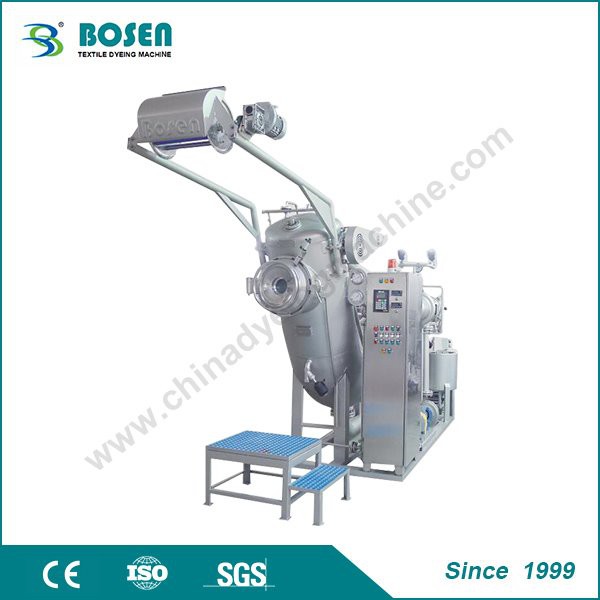
Dye precipitation in a sample dyeing machine can be a significant issue for textile manufacturers. It not only affects the quality of the dyed samples but also leads to increased costs due to wasted dyes and potential machine damage. As a leading supplier of sample dyeing machines, including the Fabric Sample Dyeing Machine, High Temperature Jet Dyeing Machine, and HTHP Yarn Sample Dyeing Machine, we understand the challenges faced by our customers. In this blog, we will explore the causes of dye precipitation and provide practical solutions to prevent it.
Understanding the Causes of Dye Precipitation
Before we can effectively prevent dye precipitation, it is essential to understand the factors that contribute to this problem. Here are some of the most common causes:
1. Dye Compatibility
Not all dyes are compatible with each other. When different dyes are mixed in the dye bath, they may react chemically, leading to the formation of insoluble complexes that precipitate out of the solution. This can occur when dyes with different chemical structures or reactive groups are combined without proper testing.
2. pH Imbalance
The pH level of the dye bath plays a crucial role in dye solubility. Most dyes have an optimal pH range in which they remain soluble. If the pH of the dye bath is too high or too low, the dyes may become insoluble and precipitate. For example, some acid dyes require an acidic environment to dissolve properly, while reactive dyes may need a slightly alkaline pH.
3. Temperature Fluctuations
Temperature is another critical factor affecting dye solubility. Dyes generally dissolve better at higher temperatures. However, sudden temperature changes during the dyeing process can cause the dyes to come out of solution and form precipitates. This can happen when the dye bath is cooled too quickly or when the temperature is not maintained within the recommended range.
4. Hard Water
Hard water contains high levels of calcium and magnesium ions. These ions can react with the dyes and form insoluble salts, leading to dye precipitation. Additionally, hard water can also affect the performance of other chemicals in the dye bath, such as surfactants and leveling agents, further exacerbating the problem.
5. Improper Dye Dissolution
Inadequate mixing or dissolution of dyes in the dye bath can result in undissolved dye particles. These particles can settle at the bottom of the dye bath or adhere to the fabric, causing uneven dyeing and precipitation. It is essential to ensure that the dyes are fully dissolved before adding them to the dye bath.
Preventive Measures
Now that we understand the causes of dye precipitation, let's explore some preventive measures that can be taken to avoid this problem:
1. Dye Selection and Compatibility Testing
- Choose Compatible Dyes: Select dyes that are known to be compatible with each other. Consult the dye manufacturer's recommendations or conduct compatibility tests before using new dye combinations.
- Perform Pre - dyeing Tests: Conduct small - scale dyeing tests with the intended dye combination to check for any signs of precipitation. This will help you identify and address potential issues before large - scale production.
2. pH Control
- Monitor and Adjust pH: Regularly measure the pH of the dye bath using a pH meter. Adjust the pH as needed using appropriate acids or alkalis to maintain it within the optimal range for the dyes being used.
- Use pH Buffers: pH buffers can help stabilize the pH of the dye bath and prevent sudden pH changes. Add the appropriate buffer to the dye bath according to the manufacturer's instructions.
3. Temperature Management
- Maintain Consistent Temperature: Use a reliable temperature control system to maintain a consistent temperature throughout the dyeing process. Avoid sudden temperature changes by following the recommended heating and cooling rates.
- Insulate the Dye Bath: Insulating the dye bath can help reduce heat loss and prevent temperature fluctuations. This is especially important in colder environments.
4. Water Treatment
- Use Soft Water: If possible, use soft water in the dye bath to avoid the problems associated with hard water. Soft water can be obtained through water softening systems or by using deionized water.
- Add Water Conditioners: Water conditioners can be added to the dye bath to sequester the calcium and magnesium ions in hard water, preventing them from reacting with the dyes. These conditioners work by forming stable complexes with the metal ions, keeping them in solution.
5. Proper Dye Dissolution
- Follow Dye Dissolution Procedures: Follow the manufacturer's instructions for dissolving the dyes. Use hot water and adequate agitation to ensure complete dissolution.
- Filter the Dye Solution: Before adding the dye solution to the dye bath, filter it through a fine - mesh filter to remove any undissolved particles. This will help prevent the introduction of insoluble matter into the dye bath.
6. Regular Machine Maintenance
- Clean the Dyeing Machine: Regularly clean the sample dyeing machine to remove any dye residues or precipitates that may have accumulated. This includes cleaning the dye bath, pipes, and nozzles.
- Inspect and Replace Worn Parts: Check the machine's components regularly for wear and tear. Replace any worn or damaged parts, such as seals and gaskets, to prevent leaks and ensure proper functioning of the machine.
Monitoring and Troubleshooting
In addition to the preventive measures mentioned above, it is important to monitor the dyeing process closely to detect any signs of dye precipitation early. Here are some tips for monitoring and troubleshooting:
1. Visual Inspection
- Check the Dye Bath: Regularly look for signs of precipitation in the dye bath, such as cloudiness, sediment at the bottom, or floating particles. If you notice any of these signs, stop the dyeing process immediately and take corrective action.
- Inspect the Dyed Fabric: Examine the dyed fabric for uneven dyeing, speckles, or other defects that may indicate dye precipitation. If any problems are found, analyze the cause and make the necessary adjustments to the dyeing process.
2. Analytical Testing
- Conduct Dye Bath Analysis: Periodically analyze the dye bath for parameters such as pH, temperature, and dye concentration. This will help you ensure that the dye bath conditions are within the recommended range and identify any potential issues before they lead to precipitation.
- Test the Dyed Fabric: Perform colorfastness and other quality tests on the dyed fabric to ensure that the dyeing process has been successful. If the test results are not satisfactory, review the dyeing process and make the necessary changes.
3. Troubleshooting Guide
- Keep a Record: Maintain a record of all dyeing processes, including the dyes used, dye bath conditions, and any problems encountered. This will help you identify patterns and trends and develop effective troubleshooting strategies.
- Consult Experts: If you are unable to resolve the dye precipitation problem on your own, consult the dye manufacturer, a textile chemist, or our technical support team. They can provide valuable insights and solutions based on their expertise.
Conclusion
Dye precipitation in a sample dyeing machine can be a frustrating and costly problem. However, by understanding the causes and implementing the preventive measures outlined in this blog, you can significantly reduce the risk of dye precipitation and ensure high - quality dyeing results. As a supplier of Fabric Sample Dyeing Machine, High Temperature Jet Dyeing Machine, and HTHP Yarn Sample Dyeing Machine, we are committed to providing our customers with the best possible solutions and support. If you have any questions or need further assistance in preventing dye precipitation, please do not hesitate to contact us. We look forward to helping you achieve optimal dyeing results in your textile production.
References
- Textile Dyeing Technology Handbook, 3rd Edition
- Dye Chemistry and Application, John Wiley & Sons
- Principles of Textile Coloration, Woodhead Publishing