

What are the common problems with a Warp Beam Dyeing Machine and how to solve them?
Jan 13, 2026
Hey there! As a supplier of Warp Beam Dyeing Machines, I've seen my fair share of issues with these machines over the years. In this blog post, I'm gonna share some of the common problems you might encounter with a Warp Beam Dyeing Machine and how to solve them.
Uneven Dyeing
One of the most common problems with a Warp Beam Dyeing Machine is uneven dyeing. This can happen for a bunch of reasons, like improper dye circulation, inconsistent fabric tension, or issues with the dyeing recipe.
Causes
- Poor Dye Circulation: If the dye isn't circulating properly through the fabric on the beam, some areas might get more dye than others. This could be due to clogged nozzles, a malfunctioning pump, or incorrect flow settings.
- Inconsistent Fabric Tension: When the fabric on the beam has uneven tension, it can cause the dye to penetrate the fabric differently in various areas. This might happen if the beam is wound unevenly or if there are problems with the fabric guiding system.
- Dyeing Recipe Issues: Using the wrong dye concentration, temperature, or time can also lead to uneven dyeing. If the recipe isn't adjusted correctly for the type of fabric and dye being used, you're likely to end up with inconsistent results.
Solutions
- Check Dye Circulation: First, inspect the nozzles to make sure they're not clogged. Clean them if necessary. Then, check the pump to ensure it's working properly. You might also need to adjust the flow settings to make sure the dye is circulating evenly through the fabric.
- Ensure Consistent Fabric Tension: Make sure the beam is wound evenly and that the fabric guiding system is functioning correctly. You can use tension control devices to maintain consistent tension throughout the dyeing process.
- Review the Dyeing Recipe: Double - check the dye concentration, temperature, and time in the dyeing recipe. Make adjustments based on the type of fabric and dye you're using. You might want to do some test runs to find the optimal settings.
Leakage
Leakage is another common problem that can occur with a Warp Beam Dyeing Machine. It can lead to a waste of dye, create a messy work environment, and even damage the machine.
Causes
- Seal Problems: The seals in the machine, such as those around the pipes, valves, and the dyeing chamber, can wear out over time. This can cause dye to leak out of the machine.
- Loose Connections: If the pipes and fittings in the machine aren't tightened properly, dye can leak from the joints.
- Cracks in the Machine: Over time, the dyeing chamber or other parts of the machine might develop cracks, which can cause leakage.
Solutions
- Replace Seals: Regularly inspect the seals in the machine and replace any that are worn or damaged. Make sure to use high - quality seals that are compatible with the dye and the machine.
- Tighten Connections: Check all the pipes and fittings to make sure they're tightened properly. Use a wrench to tighten any loose connections, but be careful not to overtighten, as this can damage the fittings.
- Repair Cracks: If you find cracks in the machine, you'll need to repair them as soon as possible. Depending on the severity of the crack, you might be able to use a sealant or a welding method to fix it.
Machine Noise
Excessive noise from the Warp Beam Dyeing Machine can be a sign of a problem. It can also be a nuisance in the workplace.
Causes
- Worn - Out Bearings: The bearings in the machine, such as those in the pump, motor, or rollers, can wear out over time. This can cause the machine to make a lot of noise.
- Loose Parts: If there are loose parts in the machine, like bolts or nuts, they can rattle around and create noise when the machine is running.
- Imbalanced Rotating Parts: When the rotating parts in the machine, such as the pump impeller or the motor shaft, are imbalanced, it can cause vibration and noise.
Solutions
- Replace Worn - Out Bearings: Inspect the bearings regularly and replace any that are worn or damaged. Make sure to use the correct type of bearings for the machine.
- Tighten Loose Parts: Check all the bolts and nuts in the machine and tighten any that are loose. This can often solve the noise problem caused by loose parts.
- Balance Rotating Parts: If you suspect that the rotating parts are imbalanced, you might need to have them balanced by a professional. This can help reduce vibration and noise.
Overheating
Overheating can be a serious problem with a Warp Beam Dyeing Machine. It can damage the machine's components and affect the quality of the dyeing process.
Causes
- Poor Ventilation: If the machine doesn't have proper ventilation, the heat generated during the dyeing process can't escape, causing the machine to overheat.
- Malfunctioning Cooling System: The cooling system in the machine, such as the cooling fan or the water cooling system, might not be working properly. This can prevent the machine from dissipating heat effectively.
- Overloading the Machine: Running the machine for too long or with too much fabric can cause it to overheat.
Solutions
- Improve Ventilation: Make sure the machine is placed in a well - ventilated area. You might also consider installing additional ventilation fans near the machine to help dissipate heat.
- Check the Cooling System: Inspect the cooling system to make sure it's working properly. Clean the cooling fan and check the water cooling system for any blockages or leaks.
- Avoid Overloading the Machine: Follow the manufacturer's guidelines for the maximum amount of fabric and running time. Don't push the machine beyond its limits.
Clogging
Clogging can occur in various parts of the Warp Beam Dyeing Machine, such as the nozzles, pipes, and filters. It can disrupt the dyeing process and affect the quality of the results.
Causes
- Dye Residue: Over time, dye residue can build up in the nozzles, pipes, and filters. This can cause clogging and reduce the efficiency of the machine.
- Fabric Debris: Small pieces of fabric can get into the machine and cause clogging, especially in the filters.
- Hard Water Deposits: If you're using hard water in the dyeing process, mineral deposits can build up in the pipes and nozzles, causing clogging.
Solutions
- Clean the Nozzles, Pipes, and Filters: Regularly clean the nozzles, pipes, and filters to remove dye residue and fabric debris. You can use a cleaning solution recommended by the machine manufacturer.
- Use a Fabric Pre - Treatment: To reduce the amount of fabric debris in the machine, consider using a fabric pre - treatment process to remove loose fibers before dyeing.
- Use a Water Softener: If you're using hard water, install a water softener to reduce the formation of mineral deposits in the machine.
If you're facing any of these problems with your Warp Beam Dyeing Machine or if you're in the market for a new one, we've got you covered. We offer a range of high - quality Warp Beam Dyeing Machines that are designed to be reliable and efficient. We also have Soft Flow & Jet Flow High Temperature Dyeing Machines and Economical Beam Dyeing Machines to meet different needs.
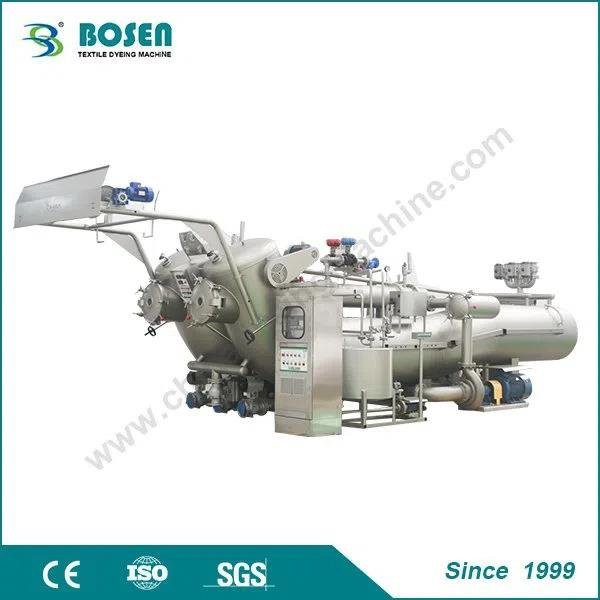

If you're interested in learning more about our products or have any questions, feel free to reach out to us. We're always happy to help you find the right solution for your textile dyeing needs. Get in touch with us to start a conversation about your requirements and let's work together to take your dyeing process to the next level.
References
- Textile Dyeing Machine Handbook
- Manufacturer's Manuals for Warp Beam Dyeing Machines
- Industry Reports on Textile Dyeing Technology