

What are the environmental impacts of using a fabric dyeing machine?
Dec 12, 2025
Yo, what's up everyone! I'm a supplier of fabric dyeing machines, and today I wanna chat about the environmental impacts of using these machines. It's a topic that's been getting a lot of attention lately, and for good reason. As the textile industry grows, so does the need to understand how our equipment affects the planet.
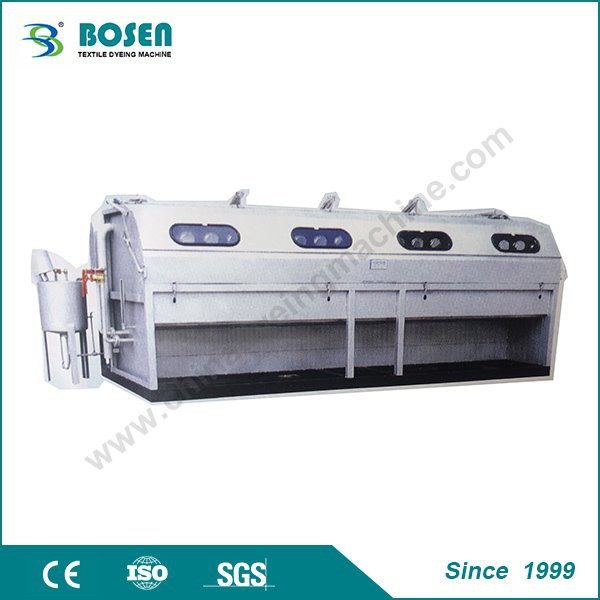
Let's start with the basics. Fabric dyeing machines are used to color textiles, and there are several types out there, like the NTNP Overflow Dyeing Machine, Jet Flow Dyeing Machine, and High Temperature Air Jet Dyeing Machine. Each type has its own way of working, but they all share some common environmental impacts.
One of the biggest issues is water consumption. Fabric dyeing is a water - intensive process. These machines use a ton of water to soak, rinse, and dye the fabric. A traditional dyeing machine can use hundreds or even thousands of liters of water per batch, depending on the size of the load and the type of fabric. This high water usage not only depletes local water sources but also puts a strain on water treatment facilities. After the dyeing process, the water is contaminated with dyes, chemicals, and other pollutants. If this wastewater isn't treated properly, it can end up in rivers, lakes, and oceans, causing serious harm to aquatic life.
The chemicals used in fabric dyeing are another major concern. Dyes often contain heavy metals like lead, mercury, and cadmium, as well as other toxic substances. These chemicals can be released into the environment during the dyeing process, either through wastewater or as emissions into the air. When these pollutants enter the ecosystem, they can bioaccumulate in plants and animals, eventually making their way up the food chain and posing a risk to human health. For example, some of these chemicals have been linked to cancer, birth defects, and other serious health problems.
Energy consumption is also a significant environmental impact. Fabric dyeing machines need a lot of energy to operate. They require heat to raise the temperature of the dye bath, and power to run the pumps, motors, and other components. Most of this energy comes from non - renewable sources like coal and natural gas, which contribute to greenhouse gas emissions and climate change. The high energy demand also means higher operating costs for textile manufacturers, which can ultimately be passed on to consumers.
Another aspect to consider is the waste generated. Apart from the wastewater and chemical pollutants, fabric dyeing machines can produce solid waste. This includes leftover dyes, packaging materials from the chemicals, and damaged or discarded fabric pieces. If not managed properly, this waste can end up in landfills, taking up space and potentially releasing harmful substances into the soil and groundwater.
But it's not all doom and gloom. There are ways to reduce the environmental impacts of using fabric dyeing machines. For instance, many modern machines are designed to be more water - efficient. They use advanced recycling systems that can reuse a significant portion of the water, reducing the overall water consumption. Some machines also have better filtration systems that can remove more pollutants from the wastewater before it's discharged.
In terms of chemicals, there's a growing trend towards using eco - friendly dyes. These dyes are made from natural sources or are formulated to be less toxic and more biodegradable. By switching to these types of dyes, textile manufacturers can significantly reduce the environmental impact of the dyeing process.
Energy - efficient designs are also becoming more common. Newer fabric dyeing machines are equipped with better insulation and more efficient heating and cooling systems, which can reduce energy consumption. Some machines even use renewable energy sources like solar or wind power to operate, further reducing their carbon footprint.
As a supplier of fabric dyeing machines, I'm always looking for ways to help my customers minimize the environmental impact of their operations. I work with manufacturers to develop and promote more sustainable machines. We're constantly researching and testing new technologies to make our machines more water - efficient, energy - saving, and less reliant on harmful chemicals.
If you're in the textile industry and you're looking to upgrade your fabric dyeing equipment, I encourage you to consider the environmental impacts. By choosing a more sustainable machine, you can not only reduce your environmental footprint but also save on operating costs in the long run. Whether you're interested in the NTNP Overflow Dyeing Machine, Jet Flow Dyeing Machine, or High Temperature Air Jet Dyeing Machine, we have options that can meet your needs while being kinder to the planet.
If you have any questions about our fabric dyeing machines or want to learn more about how they can fit into your sustainable manufacturing goals, don't hesitate to reach out. We're here to help you make the right choice for your business and the environment. Let's work together to create a more sustainable future for the textile industry.
References

- "Textile Dyeing and Finishing: Environmental Impact and Solutions" - Journal of Sustainable Textiles
- "The Chemistry of Textile Dyes" - Chemical Reviews
- "Energy Efficiency in Textile Manufacturing" - International Journal of Energy Research