

What is the difference between a loose wool dyeing machine and a yarn dyeing machine?
Jun 10, 2025
In the textile industry, dyeing is a crucial process that imparts color to various textile materials. Two commonly used types of dyeing machines are loose wool dyeing machines and yarn dyeing machines. As a supplier of loose wool dyeing machines, I am well - versed in the characteristics and differences between these two types of machines. In this blog, I will delve into the details to help you understand their distinctions.
1. Basic Definitions
A loose wool dyeing machine is specifically designed to dye loose wool fibers. Loose wool refers to wool that has not been spun into yarn. It exists in a fluffy, unstructured form, and this type of machine is engineered to handle these individual fibers evenly, ensuring uniform color penetration throughout the mass of wool.
On the other hand, a yarn dyeing machine is used to dye yarns, which are continuous strands of fibers that have been spun together. Yarns can be made from various materials such as wool, cotton, polyester, etc. The machine is tailored to the structure and properties of the yarn, aiming to achieve consistent dyeing results along the length of the yarn.
2. Structural Differences
Loose Wool Dyeing Machine
The structure of a loose wool dyeing machine is optimized for handling loose fibers. It typically has a large dyeing chamber with a gentle agitation system. Since loose wool fibers are delicate and can easily become entangled, the agitation system is designed to move the fibers gently through the dye liquor. This prevents excessive tangling and ensures that each fiber is exposed to the dye evenly.
The machine also has a special filtering system to prevent the loose fibers from clogging the pipes and pumps. The dyeing chamber often has a perforated basket or a similar structure to hold the loose wool while allowing the dye liquor to circulate freely around the fibers.
Yarn Dyeing Machine
Yarn dyeing machines come in different configurations depending on the type of yarn and the dyeing method. For example, HTHP Package Yarn Dyeing Machine is designed to dye yarns wound on packages. The machine has a high - pressure and high - temperature environment to ensure good dye penetration into the yarn packages.
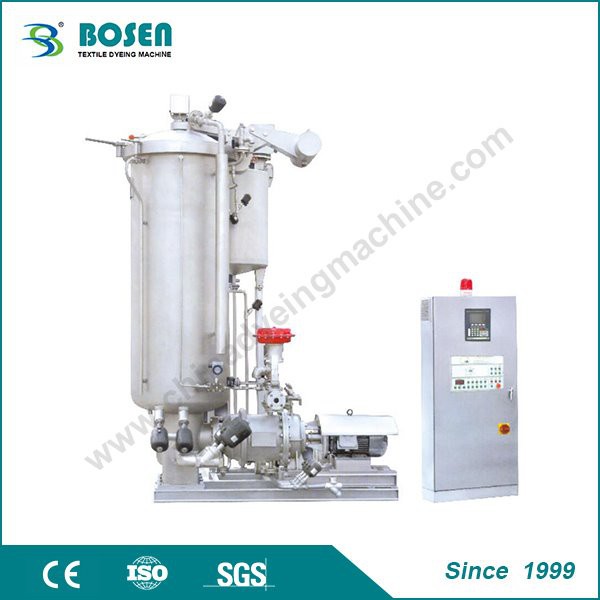

Another type is the HTHP Polyester Yarn Dyeing Machine, which is specifically designed for polyester yarns. It takes into account the heat - setting properties of polyester and provides a controlled heating and cooling process during dyeing.
The Warp Yarn Beam Dyeing Machine is used for dyeing warp yarns that are wound on beams. It has a system to ensure uniform dyeing across the width of the beam, with precise control of the dye liquor flow and pressure.
3. Dyeing Process Differences
Loose Wool Dyeing Process
The loose wool dyeing process starts with the preparation of the loose wool. The wool is usually scoured to remove impurities such as grease and dirt before dyeing. Then, it is loaded into the dyeing chamber of the machine.
The dye liquor is prepared with the appropriate dye and chemicals. The machine starts the agitation process, slowly moving the loose wool through the dye liquor. The temperature and time of the dyeing process are carefully controlled according to the type of dye and the desired color intensity. After dyeing, the wool is rinsed thoroughly to remove excess dye and chemicals.
Yarn Dyeing Process
For yarn dyeing, the yarn may also need some pre - treatment, such as sizing or bleaching, depending on the material and the final requirements. When using a package yarn dyeing machine, the yarn is first wound onto packages. These packages are then loaded into the machine, and the dye liquor is circulated through the packages under high pressure and temperature.
In the case of warp yarn beam dyeing, the warp yarns on the beam are exposed to the dye liquor in a way that ensures even dyeing across the entire width of the beam. The dyeing process may involve multiple steps, including heating, holding at a certain temperature, and cooling down, to achieve the best color fastness and uniformity.
4. Dyeing Results
Loose Wool Dyeing Results
The main advantage of loose wool dyeing is the ability to achieve a very uniform color throughout the mass of wool. Since each fiber is individually exposed to the dye, there is less chance of color variation. This is particularly important for high - quality wool products where color consistency is crucial.
However, the dyeing process may cause some minor changes in the physical properties of the wool fibers, such as a slight loss of elasticity. Care must be taken during the post - dyeing treatment to minimize these effects.
Yarn Dyeing Results
Yarn dyeing can produce different effects depending on the type of yarn and the dyeing method. Package yarn dyeing can result in a dense and even color throughout the yarn package. The high - pressure and high - temperature process can ensure good dye penetration, leading to excellent color fastness.
Warp yarn beam dyeing provides uniform color across the width of the warp, which is essential for fabric production. However, there may be some challenges in achieving perfect color uniformity along the length of the yarn, especially in long - length yarns.
5. Applications
Loose Wool Dyeing Applications
Loose wool dyeing is commonly used in the production of high - end wool products such as luxury sweaters, scarves, and blankets. The uniform color achieved through loose wool dyeing enhances the aesthetic appeal of these products. It is also suitable for small - scale production where custom - dyed wool is required.
Yarn Dyeing Applications
Yarn dyeing is widely used in the textile industry for mass - producing fabrics. Dyed yarns can be used for weaving, knitting, and other fabric - making processes. Different types of yarn dyeing machines are selected according to the type of fabric and the end - use requirements. For example, polyester yarn dyeing machines are used in the production of polyester - based fabrics, while wool yarn dyeing machines are used for woolen fabrics.
6. Cost Considerations
Loose Wool Dyeing Machine Costs
The initial investment in a loose wool dyeing machine can be relatively high, especially for high - quality machines with advanced features. The operating costs also include the cost of dyes, chemicals, and energy. However, since loose wool dyeing is often used for high - end products, the potential profit margin can be significant.
Yarn Dyeing Machine Costs
The cost of a yarn dyeing machine varies depending on its type and capacity. High - pressure and high - temperature machines, such as the HTHP package yarn dyeing machine, are generally more expensive. The operating costs also depend on the energy consumption, the amount of dye and chemicals used, and the maintenance requirements.
7. Conclusion
In conclusion, loose wool dyeing machines and yarn dyeing machines have significant differences in terms of structure, dyeing process, results, applications, and costs. Understanding these differences is crucial for textile manufacturers to choose the right machine for their specific needs.
As a supplier of loose wool dyeing machines, I can offer high - quality machines that are designed to meet the strict requirements of the loose wool dyeing process. Our machines are built with advanced technology to ensure uniform dyeing results and reliable performance.
If you are in the textile industry and are considering purchasing a dyeing machine, whether it is a loose wool dyeing machine or a yarn dyeing machine, I encourage you to contact us for more information. We can provide detailed product specifications, pricing, and technical support to help you make an informed decision. Let's start a discussion about your dyeing needs and find the best solution for your business.
References
- Textile Dyeing Technology Handbook, 2nd Edition
- Principles of Textile Coloration, 3rd Edition