

What is the effect of dye concentration on the dyeing result of an Overflow Jet Dyeing Machine?
Jul 15, 2025
The dyeing process is a crucial step in the textile industry, and the overflow jet dyeing machine has become a popular choice due to its efficiency and high - quality dyeing results. As a supplier of overflow jet dyeing machines, I've witnessed firsthand how various factors can influence the dyeing outcome. One of the most significant factors is the dye concentration. In this blog, I'll delve into how dye concentration impacts the dyeing results of an overflow jet dyeing machine.
1. Basic Principles of Overflow Jet Dyeing Machine
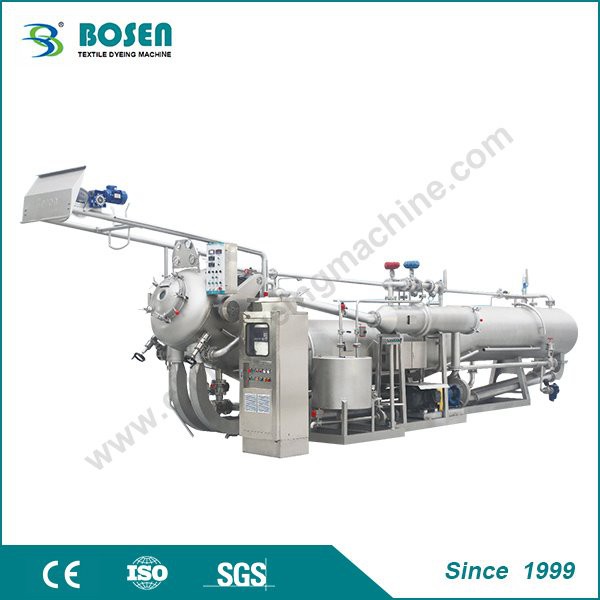
Before discussing the effect of dye concentration, it's essential to understand the basic working principles of an overflow jet dyeing machine. This machine uses a jet of dye liquor to propel the fabric through the dyeing chamber. The fabric moves continuously, ensuring uniform contact with the dye solution. The overflow system helps in maintaining a consistent flow of dye liquor, which is crucial for even dyeing. The high - speed movement of the fabric and the circulation of the dye liquor enhance the dye - fiber interaction, leading to better color penetration and fixation.
2. Impact of Low Dye Concentration
Color Yield
When the dye concentration is low, the color yield on the fabric is also low. The fabric may appear pale, and it may not achieve the desired shade. For example, if a customer requests a deep red color, a low dye concentration may result in a light pink or a washed - out red. This is because there are fewer dye molecules available to bind to the fiber surface. The dye - fiber interaction is limited, and the color uptake by the fabric is insufficient.
Dye Uniformity
On the positive side, low dye concentration can sometimes lead to better dye uniformity. With fewer dye molecules in the solution, the chances of uneven dyeing due to agglomeration or poor dispersion are reduced. The dye molecules can more evenly distribute themselves on the fabric surface, resulting in a more consistent color across the entire fabric. However, this advantage may not be significant enough to compensate for the low color yield.
Cost - Benefit
From a cost perspective, using a low dye concentration may seem economical as less dye is used. But in the long run, it can be more expensive. If the fabric does not meet the color requirements, additional dyeing processes may be required, which consume more energy, water, and labor. Moreover, the re - dyeing process may also damage the fabric, reducing its quality and market value.
3. Impact of High Dye Concentration
Color Yield
High dye concentration generally leads to a high color yield. The fabric can achieve a deep and vibrant color quickly. For instance, in the production of dark - colored denim or richly - colored silk fabrics, a high dye concentration is often used to obtain the desired intense color. The large number of dye molecules in the solution increases the probability of dye - fiber interaction, allowing more dye to be absorbed by the fabric.
Dye Agglomeration
However, high dye concentration also brings some problems. One of the most significant issues is dye agglomeration. When there are too many dye molecules in the solution, they tend to clump together. These agglomerates are too large to penetrate the fiber pores effectively. As a result, they may deposit on the fabric surface unevenly, causing color spots or streaks. This can significantly reduce the quality of the dyed fabric.
Dye Fixation
Another problem is related to dye fixation. High dye concentration may lead to poor dye fixation. Not all the dye molecules can be firmly attached to the fiber. Some of them may remain loosely bound or even unbound. During subsequent washing or wearing, these loosely - bound dyes may bleed out, causing color fading and staining of other fabrics. This is a major concern for textile manufacturers, as it can lead to customer complaints and product returns.
4. Optimal Dye Concentration
Balancing Color Yield and Quality
Finding the optimal dye concentration is a balancing act between achieving the desired color yield and maintaining the quality of the dyed fabric. It depends on various factors such as the type of fiber, the dye type, and the dyeing process conditions. For natural fibers like cotton, a moderate dye concentration may be sufficient to achieve a good color yield without causing significant quality issues. Synthetic fibers, on the other hand, may require a different approach due to their different chemical properties.
Testing and Adjustment
To determine the optimal dye concentration, textile manufacturers often conduct a series of tests. They start with a range of dye concentrations and evaluate the color yield, uniformity, and fixation of the dyed fabric. Based on the test results, they can adjust the dye concentration accordingly. Our High Temperature Fabric Dyeing Machine and Fabric Overflow Dyeing Machine are designed to provide accurate control over the dyeing process, allowing for precise adjustment of the dye concentration.
5. Role of Overflow Jet Dyeing Machine in Controlling Dye Concentration
Uniform Dye Distribution
The overflow jet dyeing machine plays a crucial role in ensuring uniform dye distribution regardless of the dye concentration. The high - speed jet of dye liquor helps in dispersing the dye molecules evenly in the solution and on the fabric surface. The continuous circulation of the dye liquor also prevents the accumulation of dye in certain areas, reducing the risk of uneven dyeing.
Temperature and Pressure Control
In addition to uniform distribution, the machine also allows for precise control of temperature and pressure. These factors can influence the dye - fiber interaction and the solubility of the dye. For example, our High Temperature and High Pressure Overflow Dyeing Machine can operate at high temperatures and pressures, which can enhance the dye penetration and fixation, especially when using a moderate dye concentration.
6. Conclusion and Call to Action
In conclusion, dye concentration has a significant impact on the dyeing results of an overflow jet dyeing machine. Both low and high dye concentrations have their advantages and disadvantages. Finding the optimal dye concentration is essential for achieving high - quality dyed fabrics. As a supplier of overflow jet dyeing machines, we are committed to providing our customers with the best - in - class equipment and technical support to help them optimize their dyeing processes.
If you are in the textile industry and looking for a reliable overflow jet dyeing machine or need advice on dyeing processes, we invite you to contact us for a detailed discussion. Our team of experts can provide you with customized solutions based on your specific requirements.

References
- Textile Dyeing Handbook, John Wiley & Sons
- Dyeing Technology for Textiles, Woodhead Publishing
- Principles of Textile Coloration, The Textile Institute