

What is the function of a temperature sensor in a Sample Dyeing Machine?
Jul 28, 2025
In the realm of textile manufacturing, sample dyeing machines play a pivotal role in ensuring the quality and consistency of color in fabrics. These machines are essential for testing and perfecting dyeing recipes before large - scale production. One of the most crucial components of a sample dyeing machine is the temperature sensor. As a supplier of sample dyeing machines, I am well - versed in the functions and significance of temperature sensors in these machines.
Precise Temperature Control
The primary function of a temperature sensor in a sample dyeing machine is to enable precise temperature control. Dyeing is a chemical process that is highly sensitive to temperature. Different dyes and fabrics require specific temperature ranges to achieve the desired color fastness, shade, and penetration. For example, some reactive dyes need to be applied at relatively high temperatures to ensure proper fixation on the fabric fibers, while others may require lower temperatures to avoid over - dyeing or damage to the fabric.
The temperature sensor continuously monitors the temperature inside the dyeing chamber. It sends real - time data to the machine's control system, which then adjusts the heating or cooling elements accordingly. This closed - loop control system ensures that the temperature remains within the narrow range specified by the dyeing recipe. Without accurate temperature control, the dyeing process can be inconsistent, resulting in variations in color from one sample to another.
Optimization of Dyeing Processes
Temperature sensors also contribute to the optimization of dyeing processes. By providing accurate temperature data, they allow operators to fine - tune the dyeing parameters. For instance, they can determine the optimal heating rate for a particular dye - fabric combination. A slow and steady heating rate may be required for some dyes to ensure even penetration, while others may benefit from a more rapid increase in temperature.
Moreover, temperature sensors help in reducing energy consumption. By precisely controlling the temperature, the machine can avoid over - heating, which not only saves energy but also extends the lifespan of the heating elements. This is particularly important in a time when energy efficiency is a major concern for textile manufacturers.
Quality Assurance
In the textile industry, quality assurance is of utmost importance. A temperature sensor in a sample dyeing machine acts as a quality control tool. It ensures that each sample is dyed under the same temperature conditions, which is essential for producing consistent and high - quality fabrics.
During the dyeing process, any deviation in temperature can lead to defects such as uneven color distribution, poor color fastness, or dye bleeding. By maintaining a stable temperature, the temperature sensor helps to minimize these defects. It also provides a record of the temperature profile during the dyeing process, which can be used for quality auditing and traceability. This record can be invaluable in case of any disputes or complaints regarding the color of the dyed fabrics.
Safety
Safety is another crucial aspect where temperature sensors play a vital role. In a sample dyeing machine, high temperatures are involved, and there is a risk of over - heating, which can lead to fires or damage to the machine. The temperature sensor acts as a safety switch. If the temperature exceeds a pre - set limit, it triggers an alarm and shuts down the heating elements. This prevents potential hazards and protects the operators and the equipment.
Compatibility with Different Types of Sample Dyeing Machines
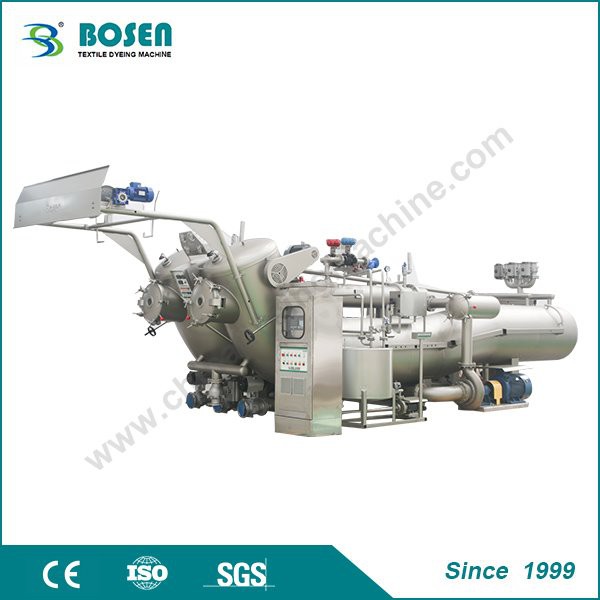
Our company offers a range of sample dyeing machines, including the High Temperature Jet Dyeing Machine, Atmospheric Sample Dyeing Machine, and High Temperature Sample Dyeing Machine. Each of these machines has unique requirements when it comes to temperature control.
The high - temperature jet dyeing machine operates at elevated temperatures and requires a highly accurate temperature sensor to handle the extreme conditions. The temperature sensor in this machine must be able to withstand high - pressure and high - temperature environments while providing precise readings.
The atmospheric sample dyeing machine, on the other hand, operates at lower pressures and temperatures. However, it still requires accurate temperature control to ensure consistent dyeing results. The temperature sensor in this machine is designed to be sensitive enough to detect small changes in temperature, even in a relatively low - temperature environment.
The high - temperature sample dyeing machine combines the features of both high - temperature and precision dyeing. The temperature sensor in this machine is engineered to provide accurate temperature control over a wide range of temperatures, from low to very high.
Conclusion
In conclusion, the temperature sensor is an indispensable component of a sample dyeing machine. It plays a crucial role in precise temperature control, optimization of dyeing processes, quality assurance, and safety. As a supplier of sample dyeing machines, we understand the importance of high - quality temperature sensors in delivering reliable and efficient machines to our customers.

If you are in the textile industry and are looking for a sample dyeing machine that offers accurate temperature control and high - quality dyeing results, we invite you to contact us for further discussion and procurement. Our team of experts is ready to assist you in selecting the right machine for your specific needs.
References
- Textile Dyeing Technology Handbook, Second Edition. Edited by M. Lewis and B. Smith.
- Principles of Textile Dyeing, Third Edition. By P. K. Chattopadhyay.
- Advances in Textile Dyeing and Finishing. Edited by R. M. Christie.