

What is the impact of agitation speed on dyeing in a Sample Dyeing Machine?
Dec 09, 2025
In the textile industry, sample dyeing machines play a crucial role in the initial stages of the dyeing process. They allow manufacturers to test different dyeing recipes, colors, and processes on small fabric samples before full - scale production. One of the key factors that significantly affects the dyeing results in a sample dyeing machine is the agitation speed. As a sample dyeing machine supplier, I have witnessed firsthand the importance of understanding this relationship and its impact on the overall dyeing quality.
The Basics of Dyeing in a Sample Dyeing Machine
Before delving into the impact of agitation speed, it is essential to understand the basic principles of dyeing in a sample dyeing machine. A sample dyeing machine, such as the Fabric Sample Dyeing Machine, is designed to simulate the full - scale dyeing process on a smaller scale. It typically consists of a dye bath, a heating system, and an agitation mechanism.
The dyeing process involves the transfer of dye molecules from the dye bath to the fabric fibers. This transfer is influenced by several factors, including temperature, time, pH, and the concentration of the dye solution. Agitation plays a vital role in ensuring uniform dye distribution and penetration into the fabric. It helps to bring fresh dye solution into contact with the fabric surface and removes the exhausted dye solution, promoting a more efficient dyeing process.
Impact of Agitation Speed on Dye Distribution
One of the primary impacts of agitation speed on dyeing is its effect on dye distribution. At low agitation speeds, the dye solution may not circulate effectively within the dye bath. This can lead to uneven dye distribution on the fabric surface, resulting in color variations and blotchy areas. For example, in a HT Sample Dyeing Machine, if the agitation speed is too low, the dye may accumulate in certain areas of the fabric, while other areas receive less dye.
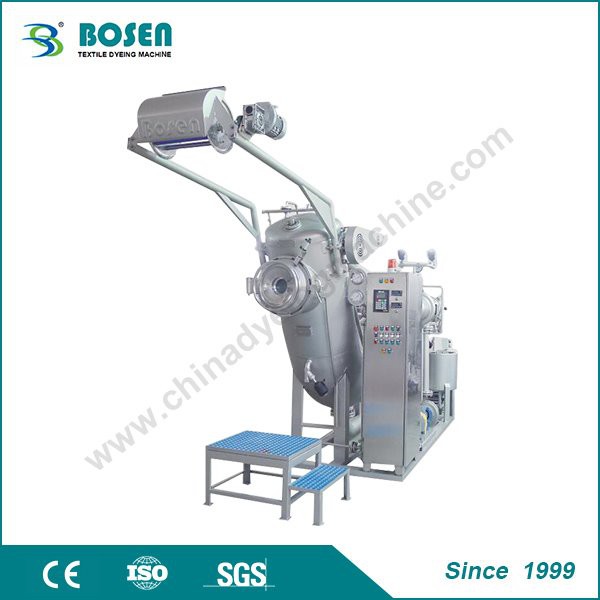

On the other hand, high agitation speeds can improve dye distribution. The increased movement of the dye solution helps to disperse the dye molecules more evenly across the fabric surface. This results in a more uniform coloration of the fabric. However, if the agitation speed is too high, it can cause mechanical damage to the fabric. The excessive movement can lead to fiber breakage, pilling, and a loss of fabric integrity.
Effect on Dye Penetration
Agitation speed also affects the penetration of dye molecules into the fabric fibers. Adequate agitation is necessary to ensure that the dye molecules can penetrate the fiber structure. At low agitation speeds, the dye molecules may only adhere to the surface of the fabric, resulting in poor color fastness and a less intense color.
In a High Temperature High Pressure Sample Dyeing Machine, high agitation speeds can enhance dye penetration. The increased movement of the dye solution helps to force the dye molecules into the fiber pores. This leads to a more thorough and long - lasting coloration of the fabric. However, similar to the effect on dye distribution, extremely high agitation speeds can be counterproductive. They can cause the dye to be forced out of the fabric before it has a chance to fully penetrate, resulting in a less effective dyeing process.
Influence on Dyeing Time
The agitation speed can also impact the dyeing time. At low agitation speeds, the dyeing process may take longer because the transfer of dye molecules from the dye bath to the fabric is slower. The lack of effective circulation means that it takes more time for the dye to reach all parts of the fabric and penetrate the fibers.
Conversely, higher agitation speeds can reduce the dyeing time. The increased movement of the dye solution accelerates the dye transfer process. This allows manufacturers to achieve the desired coloration in a shorter period, increasing the overall efficiency of the dyeing process. However, it is important to note that reducing the dyeing time too much by increasing the agitation speed can compromise the quality of the dyeing, as mentioned earlier.
Impact on Energy Consumption
Another aspect to consider is the impact of agitation speed on energy consumption. Higher agitation speeds generally require more energy to operate the agitation mechanism. In a sample dyeing machine, this can translate into increased electricity costs. As a sample dyeing machine supplier, we understand the importance of balancing the need for effective agitation with energy efficiency.
Manufacturers need to find an optimal agitation speed that provides good dyeing results while minimizing energy consumption. This may involve conducting experiments to determine the ideal speed for different types of fabrics and dyeing processes. By doing so, they can reduce their operating costs and make their dyeing operations more sustainable.
Finding the Optimal Agitation Speed
Determining the optimal agitation speed for a specific dyeing process is not a one - size - fits - all solution. It depends on several factors, including the type of fabric, the dye used, and the desired dyeing effect. For example, delicate fabrics may require lower agitation speeds to avoid damage, while more robust fabrics can tolerate higher speeds.
To find the optimal agitation speed, manufacturers can conduct a series of tests using different agitation speeds on small fabric samples. They can then evaluate the dyeing results in terms of color uniformity, penetration, and fabric integrity. By analyzing these results, they can determine the agitation speed that provides the best balance between quality and efficiency.
Conclusion
In conclusion, the agitation speed has a significant impact on dyeing in a sample dyeing machine. It affects dye distribution, penetration, dyeing time, and energy consumption. As a sample dyeing machine supplier, we are committed to providing our customers with the knowledge and tools to optimize their dyeing processes.
By understanding the relationship between agitation speed and dyeing, manufacturers can achieve better quality dyeing results, reduce costs, and increase the efficiency of their operations. Whether you are using a Fabric Sample Dyeing Machine, a HT Sample Dyeing Machine, or a High Temperature High Pressure Sample Dyeing Machine, finding the optimal agitation speed is crucial.
If you are interested in learning more about our sample dyeing machines or need assistance in optimizing your dyeing process, we encourage you to contact us for a detailed discussion. Our team of experts is ready to help you make the most of your dyeing operations.
References
- Textile Dyeing Technology Handbook. (Publisher, Year)
- Journal of Textile Science and Engineering, various issues related to dyeing processes.