

What is the power source of a Warp Beam Dyeing Machine?
May 19, 2025
Hey there! As a supplier of Warp Beam Dyeing Machines, I often get asked about the power source of these nifty pieces of equipment. So, let's dive right in and explore what makes these machines tick.
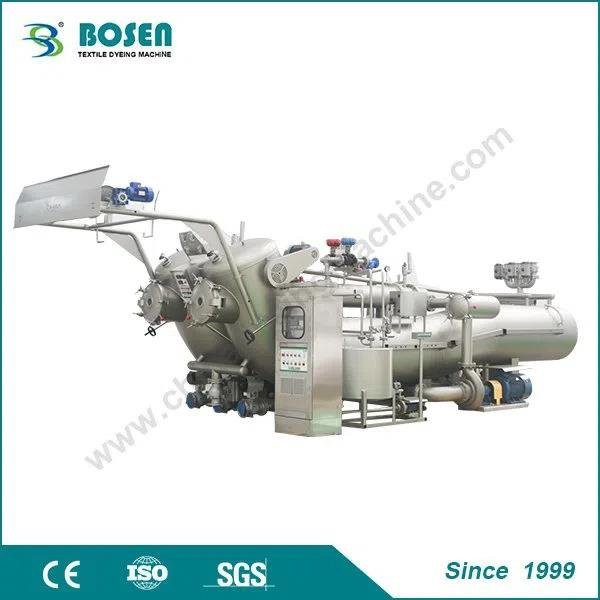
First off, let's understand what a Warp Beam Dyeing Machine is. It's a crucial piece of equipment in the textile industry used for dyeing warp beams. The warp beam is a large cylinder on which the warp yarns are wound before the weaving process. The dyeing of these warp beams ensures that the yarns have the desired color and quality for the final textile product. If you're interested in checking out our Warp Beam Dyeing Machine, just click on the link.
Now, onto the power source. There are a few different types of power sources that can be used to run a Warp Beam Dyeing Machine, and each has its own set of pros and cons.
Electricity
The most common power source for these machines is electricity. It's readily available in most industrial areas and is relatively easy to manage. Electric motors are used to drive the various components of the dyeing machine, such as the pumps, agitators, and heating elements.
One of the main advantages of using electricity is its cleanliness. There are no emissions or pollutants released during its use, which is great for the environment. It's also very efficient, as electric motors can convert a high percentage of electrical energy into mechanical energy. This means that less energy is wasted, resulting in lower operating costs.
However, there are also some drawbacks to using electricity. The initial cost of installing the electrical infrastructure can be quite high, especially if you need to upgrade your power supply to handle the machine's load. Additionally, electricity prices can fluctuate, which can make it difficult to predict your operating costs over the long term.
Steam
Another power source that's commonly used in Warp Beam Dyeing Machines is steam. Steam is generated by heating water in a boiler, and it's then used to power the machine's heating elements and other components.
Steam has several advantages. It's a very efficient way to transfer heat, which is crucial for the dyeing process. It can also be used to provide mechanical power through steam turbines, which can drive the pumps and agitators in the machine. Additionally, steam can be produced using a variety of fuel sources, such as coal, natural gas, or biomass, which gives you more flexibility in terms of your energy supply.
On the downside, steam systems require a significant amount of infrastructure, including a boiler, pipes, and valves. This can be expensive to install and maintain. Steam also requires a constant supply of water, which can be a challenge in areas with water shortages. And, if not properly managed, steam systems can be a safety hazard due to the high pressure and temperature involved.
Hydraulic Power
Some Warp Beam Dyeing Machines also use hydraulic power. Hydraulic systems use a fluid, usually oil, to transmit power from a pump to various components in the machine.
Hydraulic power has some unique advantages. It can provide a high amount of force in a relatively small space, which makes it ideal for driving the heavy-duty components in the dyeing machine. Hydraulic systems are also very precise, allowing for accurate control of the machine's movements.
However, hydraulic systems can be complex and expensive to install and maintain. The hydraulic fluid needs to be regularly changed and monitored to ensure its proper functioning. There's also a risk of leaks, which can be messy and potentially hazardous.
Combination of Power Sources
In some cases, a combination of power sources may be used to run a Warp Beam Dyeing Machine. For example, electricity can be used to power the control systems and some of the smaller components, while steam can be used for heating and providing mechanical power to the larger components.
This approach allows you to take advantage of the strengths of each power source while minimizing their weaknesses. It can also provide a more reliable and efficient operation, as you have multiple power sources to fall back on in case one fails.
When choosing a power source for your Warp Beam Dyeing Machine, there are several factors to consider. First, you need to think about the availability and cost of the power source in your area. You also need to consider the machine's power requirements and the efficiency of the power source. Additionally, you need to take into account the environmental impact and safety considerations of the power source.

At our company, we offer a range of Warp Beam Dyeing Machines that can be powered by different sources. We also have Soft Flow & Jet Flow High Temperature Dyeing Machine and Liquid Flow & Jet HT Dyeing Machine in our product line. Our team of experts can help you choose the right machine and power source for your specific needs.
If you're in the market for a Warp Beam Dyeing Machine or any other textile dyeing equipment, don't hesitate to get in touch with us. We're here to answer all your questions and help you make an informed decision. Whether you're a small textile workshop or a large industrial manufacturer, we have the right solution for you. Let's start a conversation and see how we can meet your dyeing needs.
References
- Textile Machinery Handbook: A comprehensive guide to textile machinery, including dyeing machines.
- Journal of Textile Engineering: Articles on the latest developments in textile dyeing technology and power sources.