

Can an Overflow Jet Dyeing Machine be used for dyeing synthetic fibers?
Jun 02, 2025
In the realm of textile dyeing, the choice of dyeing machine is crucial, especially when dealing with synthetic fibers. As a supplier of Overflow Jet Dyeing Machines, I often encounter the question: Can an Overflow Jet Dyeing Machine be used for dyeing synthetic fibers? In this blog post, I will delve into the capabilities of Overflow Jet Dyeing Machines and their suitability for dyeing synthetic fibers.

Understanding Overflow Jet Dyeing Machines
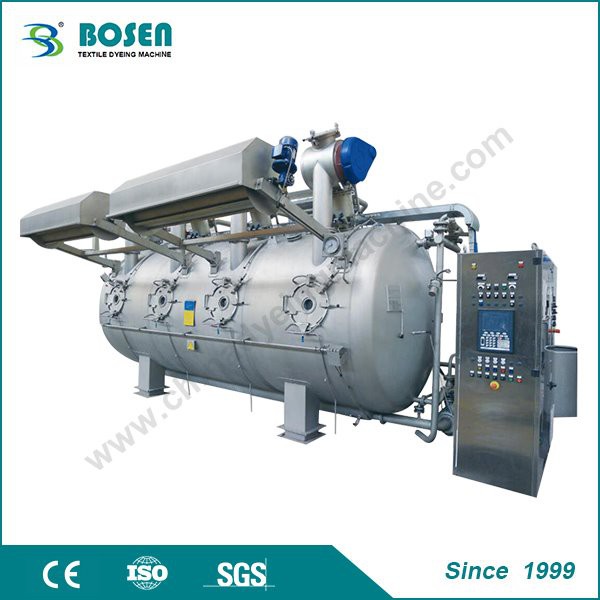
Overflow Jet Dyeing Machines are a type of textile dyeing equipment that combines the principles of overflow and jet dyeing. These machines use a high - pressure jet of dye liquor to propel the fabric through the dyeing chamber. The fabric is carried by the flowing dye liquor in an overflow system, ensuring continuous movement and uniform dye penetration.
The key components of an Overflow Jet Dyeing Machine include a dyeing tank, a jet nozzle, a circulation pump, and a heating system. The dye liquor is heated to the required temperature, and the circulation pump creates a high - velocity jet that drives the fabric through the machine. This continuous movement helps in achieving consistent dyeing results.
Characteristics of Synthetic Fibers
Synthetic fibers are man - made fibers produced from chemical substances. Common types of synthetic fibers include polyester, nylon, acrylic, and spandex. These fibers have unique properties that make them popular in the textile industry.
- Polyester: Polyester fibers are known for their high strength, wrinkle - resistance, and quick - drying properties. They are also resistant to stretching and shrinking, making them suitable for a wide range of applications.
- Nylon: Nylon fibers are strong, elastic, and abrasion - resistant. They have good moisture - absorption properties and are often used in sportswear and hosiery.
- Acrylic: Acrylic fibers mimic the look and feel of wool. They are lightweight, warm, and resistant to sunlight and chemicals.
- Spandex: Spandex fibers are highly elastic and can stretch up to 500% of their original length. They are commonly used in form - fitting clothing to provide stretch and comfort.
Suitability of Overflow Jet Dyeing Machines for Synthetic Fibers
The answer to whether an Overflow Jet Dyeing Machine can be used for dyeing synthetic fibers is a resounding yes. Here are the reasons:
1. Uniform Dye Penetration
Synthetic fibers often have a smooth surface and a compact molecular structure. The high - pressure jet in an Overflow Jet Dyeing Machine can effectively force the dye liquor into the fibers, ensuring uniform dye penetration. The continuous movement of the fabric in the overflow system also helps in distributing the dye evenly across the fabric surface.
2. Temperature Control
Most synthetic fibers require specific dyeing temperatures to achieve optimal results. Overflow Jet Dyeing Machines are equipped with precise temperature control systems. For example, polyester fibers typically require high - temperature dyeing (around 130°C) to open up the fiber structure and allow the dye to penetrate. The heating system in an Overflow Jet Dyeing Machine can maintain the required temperature accurately throughout the dyeing process.
3. Reduced Fiber Damage
The gentle yet efficient movement of the fabric in an Overflow Jet Dyeing Machine minimizes fiber damage. Synthetic fibers, especially those like spandex, can be sensitive to mechanical stress. The overflow and jet action in these machines ensure that the fabric is handled carefully while still achieving good dyeing results.
4. Compatibility with Different Dyes
Overflow Jet Dyeing Machines can work with a variety of dyes suitable for synthetic fibers. Disperse dyes are commonly used for dyeing polyester, and these dyes can be effectively applied using an Overflow Jet Dyeing Machine. Similarly, acid dyes are used for nylon, and the machine can ensure proper dye - fiber interaction.
Advantages of Using Overflow Jet Dyeing Machines for Synthetic Fibers
1. High - Quality Dyeing
The uniform dye penetration and precise temperature control in Overflow Jet Dyeing Machines result in high - quality dyeing. The colors are vibrant, and the shade consistency is excellent, which is crucial for synthetic fiber fabrics used in high - end fashion and technical applications.
2. Cost - Efficiency
These machines are relatively cost - efficient in the long run. They have a high dyeing capacity and can process large volumes of fabric in a single batch. Additionally, the reduced water and energy consumption compared to some other dyeing methods make them an economical choice for dyeing synthetic fibers.
3. Versatility
Overflow Jet Dyeing Machines can be used for dyeing different types of synthetic fibers, either alone or in blends. This versatility allows textile manufacturers to use a single machine for a wide range of products.
Comparison with Other Dyeing Machines
When considering dyeing synthetic fibers, it's also important to compare Overflow Jet Dyeing Machines with other types of dyeing machines, such as High Temperature Airflow Dyeing Machine and High Temperature Air Jet Dyeing Machine.
- High Temperature Airflow Dyeing Machine: This machine uses hot air to carry the dye liquor onto the fabric. While it is suitable for some synthetic fibers, it may not provide the same level of uniform dye penetration as an Overflow Jet Dyeing Machine, especially for fibers with a compact structure.
- High Temperature Air Jet Dyeing Machine: Similar to the airflow dyeing machine, the air jet dyeing machine uses air to propel the fabric. However, the Overflow Jet Dyeing Machine offers better control over the dyeing process and is more suitable for delicate synthetic fibers like spandex.
In contrast, High Temperature Overflow Dyeing Machine is closely related to the Overflow Jet Dyeing Machine. The main difference lies in the use of a jet system in the latter, which provides more efficient fabric movement and dye penetration.
Considerations for Dyeing Synthetic Fibers with Overflow Jet Dyeing Machines
While Overflow Jet Dyeing Machines are well - suited for dyeing synthetic fibers, there are some considerations to keep in mind:
1. Pretreatment
Proper pretreatment of synthetic fibers is essential before dyeing. This may include scouring to remove impurities and setting the fiber structure. Pretreatment can improve the dyeability of the fibers and ensure better dyeing results.
2. Dye Selection
Choosing the right dye for the specific synthetic fiber is crucial. As mentioned earlier, different synthetic fibers require different types of dyes. It's important to follow the dye manufacturer's recommendations for dyeing conditions.
3. Machine Maintenance
Regular maintenance of the Overflow Jet Dyeing Machine is necessary to ensure its optimal performance. This includes cleaning the dyeing tank, checking the jet nozzles for blockages, and maintaining the circulation pump and heating system.
Conclusion
In conclusion, an Overflow Jet Dyeing Machine is an excellent choice for dyeing synthetic fibers. Its ability to provide uniform dye penetration, precise temperature control, and reduced fiber damage makes it suitable for a wide range of synthetic fibers. The high - quality dyeing results, cost - efficiency, and versatility of these machines make them a valuable asset in the textile industry.
If you are in the textile manufacturing business and are looking for a reliable solution for dyeing synthetic fibers, our Overflow Jet Dyeing Machines are worth considering. We are committed to providing high - quality machines and excellent after - sales service. Contact us to discuss your specific requirements and start a successful partnership in textile dyeing.
References
- Lewis, D. M. (Ed.). (2007). The dyeing of synthetic fibres. Society of Dyers and Colourists.
- Trotman, E. R. (1993). Dyeing and chemical technology of textile fibres. Blackwell Science.