

How long does it take to dye a batch of textiles in a dyeing machine?
Dec 16, 2025
How long does it take to dye a batch of textiles in a dyeing machine? This is a question that often comes up among textile manufacturers and those involved in the textile production process. As a leading Textile Dyeing Machine supplier, we understand the importance of this question and are here to provide you with a comprehensive answer.
Factors Affecting Dyeing Time
The time it takes to dye a batch of textiles in a dyeing machine can vary significantly depending on several factors. These factors include the type of textile material, the dyeing method, the color and depth of shade required, the size of the batch, and the specific features and capabilities of the dyeing machine being used.
Type of Textile Material
Different textile materials have different properties that can affect the dyeing process and time. For example, natural fibers such as cotton, silk, and wool generally absorb dyes more readily than synthetic fibers like polyester and nylon. As a result, dyeing natural fibers may take less time compared to synthetic fibers. Additionally, the texture and thickness of the textile can also play a role. Thicker and denser fabrics may require more time for the dye to penetrate evenly.

Dyeing Method
There are several dyeing methods available, each with its own characteristics and time requirements. Some common dyeing methods include exhaust dyeing, continuous dyeing, and pad dyeing. Exhaust dyeing is a batch process where the textile is immersed in a dye bath and the dye is gradually exhausted onto the fabric. This method can be time-consuming, especially for large batches or when achieving deep shades. Continuous dyeing, on the other hand, is a more efficient method where the textile passes through a series of dyeing stations continuously. This method can significantly reduce the dyeing time, especially for high-volume production. Pad dyeing involves applying the dye to the fabric using padding rollers and then fixing the dye through heat treatment. The time required for pad dyeing depends on the speed of the padding process and the fixing time.
Color and Depth of Shade
The color and depth of shade required also have a significant impact on the dyeing time. Darker shades generally require more dye and longer dyeing times to achieve the desired color intensity. Additionally, some colors, such as bright and fluorescent colors, may require special dyes and additional processing steps, which can increase the overall dyeing time.
Size of the Batch
The size of the batch being dyed is another important factor. Larger batches typically require more time to ensure that the dye is evenly distributed throughout the entire batch. This is because the dyeing machine needs to circulate the dye bath effectively to reach all parts of the fabric. Smaller batches, on the other hand, can be dyed more quickly as the dye can be distributed more evenly in a shorter period.
Dyeing Machine Features
The specific features and capabilities of the dyeing machine can also affect the dyeing time. Modern dyeing machines are equipped with advanced technologies and controls that can optimize the dyeing process and reduce the time required. For example, some machines have features such as high-speed circulation pumps, precise temperature control, and automated dosing systems, which can improve the efficiency and uniformity of the dyeing process.
Typical Dyeing Times
Based on our experience and industry knowledge, we can provide some general guidelines on the typical dyeing times for different types of textiles and dyeing methods.
Exhaust Dyeing
- Cotton: For light to medium shades, exhaust dyeing of cotton can take anywhere from 30 minutes to 2 hours. For dark shades, the dyeing time may increase to 2 to 4 hours.
- Silk: Silk is a delicate fiber that requires careful handling during the dyeing process. Dyeing silk in an exhaust dyeing machine can take approximately 1 to 3 hours, depending on the color and depth of shade.
- Polyester: Polyester is a synthetic fiber that is more difficult to dye compared to natural fibers. Exhaust dyeing of polyester can take 1 to 4 hours, especially for deep and bright colors.
Continuous Dyeing
- Cotton: Continuous dyeing of cotton can be much faster compared to exhaust dyeing. Depending on the speed of the machine and the specific process, cotton can be dyed in a continuous manner in as little as 10 to 30 minutes.
- Polyester: Continuous dyeing of polyester also offers significant time savings. It can typically be completed in 15 to 45 minutes, depending on the color and depth of shade.
Pad Dyeing
- Cotton: Pad dyeing of cotton is a relatively fast process. The padding process itself can take only a few seconds, but the fixing time can range from a few minutes to half an hour, depending on the dye and fixing method used.
- Polyester: Similar to cotton, pad dyeing of polyester is also a quick process. The total time for pad dyeing and fixing can be around 5 to 20 minutes.
Our Dyeing Machines and Their Efficiency
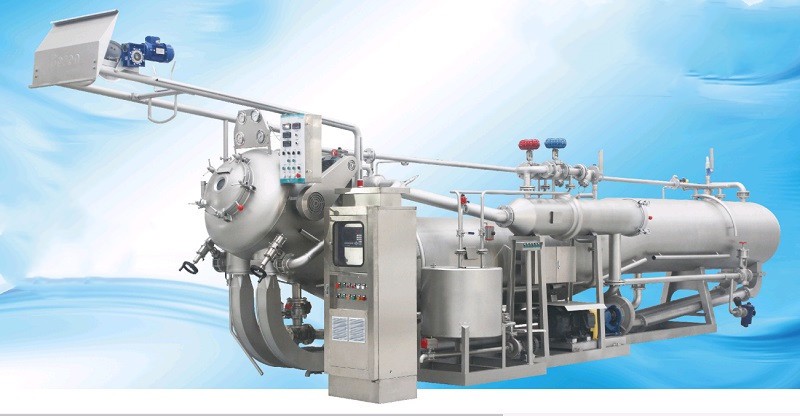
As a Textile Dyeing Machine supplier, we offer a range of high-quality dyeing machines that are designed to optimize the dyeing process and reduce the dyeing time. Our Soft Over Flow Dyeing Machine is a popular choice for many textile manufacturers. It features a unique design that allows for gentle and efficient dyeing of various textile materials. The machine's high-speed circulation system ensures uniform dye distribution, reducing the dyeing time and improving the color fastness of the dyed fabrics.
Our GYS-HOF Soft Flow & Jet Flow High Temperature DyeingMachine and GYX-F Soft Flow &jet Flow High Temperature Dyeing Machine are also highly efficient machines. They are equipped with advanced temperature control systems and high-pressure jet flow technology, which can significantly improve the dyeing efficiency and reduce the time required for dyeing. These machines are suitable for dyeing a wide range of textile materials, including natural and synthetic fibers, and can achieve excellent color results.
Conclusion
In conclusion, the time it takes to dye a batch of textiles in a dyeing machine depends on several factors, including the type of textile material, the dyeing method, the color and depth of shade required, the size of the batch, and the features of the dyeing machine. By choosing the right dyeing machine and optimizing the dyeing process, textile manufacturers can significantly reduce the dyeing time and improve the efficiency of their production operations.
If you are interested in learning more about our Textile Dyeing Machines or would like to discuss your specific dyeing requirements, please feel free to contact us. Our team of experts is ready to assist you in finding the best solution for your textile dyeing needs.
References
- Textile Dyeing Handbook, Third Edition, by Christopher C. Cooke.
- Handbook of Textile and Industrial Dyeing, Volume 1: Principles, Processes and Types of Dye, edited by M. Lewis.