

What is the effect of dye concentration on the color depth in a textile dyeing machine?
Nov 26, 2025
Hey there! As a supplier of Textile Dyeing Machines, I've seen firsthand how different factors can impact the dyeing process. One of the most crucial elements that can make or break the final look of dyed textiles is the dye concentration. In this blog, I'll dive into what effect dye concentration has on the color depth in a textile dyeing machine.
Understanding Dye Concentration
First off, let's talk about what dye concentration actually means. Simply put, it's the amount of dye present in a given volume of the dyeing solution. This is usually measured in grams per liter (g/L) or percentages. When you're dyeing textiles, you can adjust this concentration to get different results.
A higher dye concentration means there are more dye molecules in the solution. These molecules are what attach to the fibers of the textile to give it color. So, logically, you might think that a higher concentration would always lead to a deeper color. But it's not that straightforward.
The Relationship Between Dye Concentration and Color Depth
In general, there is a positive correlation between dye concentration and color depth. When you increase the concentration of the dye in the solution, more dye molecules are available to bond with the textile fibers. This leads to a greater amount of dye being absorbed by the fabric, resulting in a deeper, more intense color.
For example, if you're using our GBM Serial beam Dyeing Machine to dye a batch of cotton fabric, starting with a low dye concentration might give you a pastel - like shade. As you gradually increase the concentration, the color will become richer and more saturated.
However, this relationship isn't linear. At a certain point, increasing the dye concentration further won't result in a proportional increase in color depth. This is because the textile fibers can only absorb a limited amount of dye. Once they reach their saturation point, adding more dye to the solution won't make the color any deeper.
Factors Affecting the Impact of Dye Concentration
There are several factors that can influence how dye concentration affects color depth in a textile dyeing machine.
Fiber Type
Different types of fibers have different dye - absorbing capabilities. Natural fibers like cotton and wool have a porous structure that allows them to absorb dye relatively easily. Synthetic fibers such as polyester and nylon, on the other hand, have a more compact structure and may require special dyes or dyeing processes.
For instance, when using an Airflow Jet Dyeing Machine, you'll find that wool fibers can take up a large amount of dye, so increasing the dye concentration can lead to a significant increase in color depth. But with polyester, you may need to use a disperse dye and carefully control the temperature and pH of the dyeing solution to get the desired color, and the impact of dye concentration may be less straightforward.
Dyeing Time
The length of time the textile is in contact with the dye solution also matters. If the dyeing time is too short, even a high - concentration dye solution may not result in a deep color because the dye molecules don't have enough time to fully penetrate the fibers.
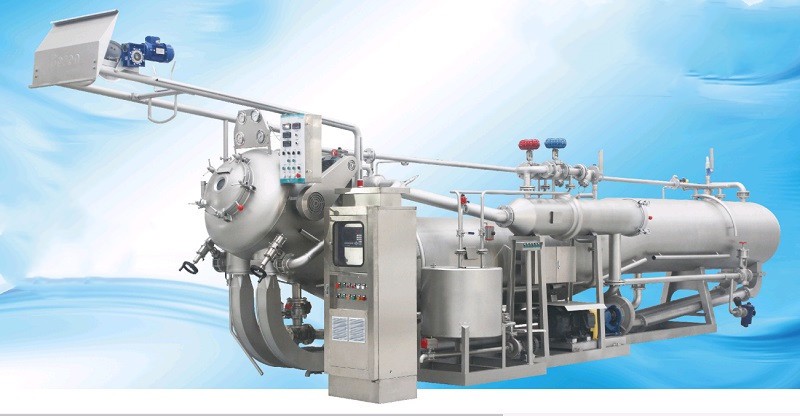
Our GYX - F Soft Flow &jet Flow High Temperature Dyeing Machine allows for precise control of the dyeing time. By adjusting this parameter along with the dye concentration, you can achieve the optimal color depth. For example, if you're dyeing a delicate silk fabric, a longer dyeing time at a moderate dye concentration might be more effective than a short time at a high concentration.

Temperature
Temperature plays a crucial role in the dyeing process. Higher temperatures generally increase the rate of dye diffusion into the fibers. When the temperature is right, the fibers expand, making it easier for the dye molecules to penetrate.
If you're using a high - temperature dyeing machine, increasing the dye concentration at an appropriate high temperature can enhance color depth. But if the temperature is too high, it can damage the fibers or cause the dye to degrade, resulting in uneven color or a loss of colorfastness.
Practical Implications for Textile Manufacturers
For textile manufacturers, understanding the effect of dye concentration on color depth is essential for quality control and cost - effectiveness.
On one hand, using a higher dye concentration than necessary can be wasteful. It not only increases the cost of the dye but can also lead to environmental issues, as more dye may be left in the wastewater. On the other hand, using too low a concentration can result in products that don't meet the desired color standards.
By carefully controlling the dye concentration based on the fiber type, dyeing machine, and other factors, manufacturers can achieve consistent, high - quality results. They can also optimize the use of dyes, reducing costs and minimizing the environmental impact.
How Our Dyeing Machines Can Help
Our range of textile dyeing machines, including the GBM Serial beam Dyeing Machine, Airflow Jet Dyeing Machine, and GYX - F Soft Flow &jet Flow High Temperature Dyeing Machine, are designed to give you precise control over the dyeing process.
These machines allow you to adjust parameters such as dye concentration, temperature, and dyeing time with ease. This means you can experiment and find the perfect combination for each type of textile you're working with. Whether you're looking for a subtle pastel or a bold, vibrant color, our machines can help you achieve it.
Let's Connect!
If you're in the textile manufacturing business and looking to improve your dyeing process, I'd love to chat. Understanding the effect of dye concentration on color depth is just one piece of the puzzle, and our team of experts can provide you with all the guidance you need. Whether you're interested in our machines or need advice on dyeing techniques, don't hesitate to reach out. We're here to help you take your textile dyeing to the next level.
References
- Lewis, D. M. (2007). The theory of textile dyeing. Dyers Company Publications Trust.
- Shore, J. (1995). Chemical principles of textile coloration. Society of Dyers and Colourists.