

What is the impact of airflow direction on dyeing results in an Airflow Jet Dyeing Machine?
Jun 17, 2025
Hey there! As a supplier of Airflow Jet Dyeing Machines, I've seen firsthand how the airflow direction can have a huge impact on dyeing results. In this blog post, I'm gonna break down the ins and outs of this relationship, so you can make the most of your dyeing process.
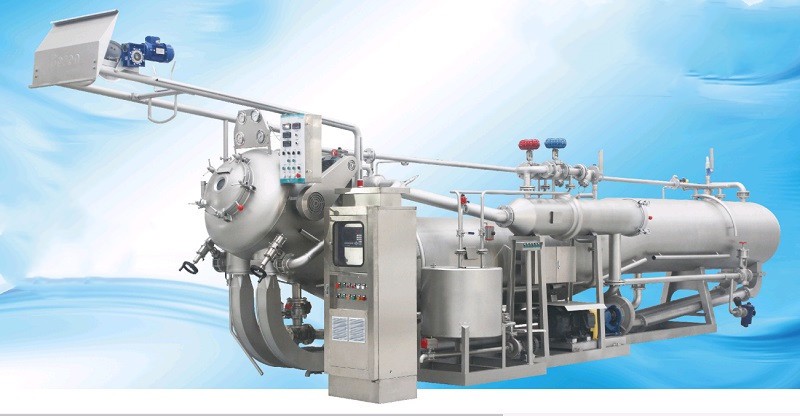
First off, let's talk about what an Airflow Jet Dyeing Machine is. It's a piece of equipment that uses high - velocity airflow to transport fabric through the dyeing bath. This technology has revolutionized the textile dyeing industry, offering benefits like reduced water consumption, shorter dyeing cycles, and better color fastness. But the key to unlocking these benefits lies in understanding how airflow direction affects the dyeing process.
The Basics of Airflow Direction in Dyeing
The airflow direction in an Airflow Jet Dyeing Machine can be either uni - directional or bi - directional. Uni - directional airflow means that the air moves in one consistent direction throughout the dyeing process. This is like a one - way street for the fabric and the dye. On the other hand, bi - directional airflow switches the direction of the air movement periodically. It's like a two - way street with traffic changing directions every now and then.
Uni - directional Airflow
When we use uni - directional airflow, the fabric moves smoothly in one direction. This can lead to a more consistent dye penetration in some cases. Since the fabric is always moving in the same way, the dye has a more predictable path to follow. For example, if you're dyeing a long piece of fabric, uni - directional airflow can ensure that the dye is evenly distributed from one end to the other. However, there's a downside. Over time, the fabric might get compressed in the direction of the airflow. This compression can cause uneven dyeing in areas where the fabric is more tightly packed.
Bi - directional Airflow
Bi - directional airflow helps to solve some of the problems associated with uni - directional airflow. By changing the direction of the airflow, the fabric gets a chance to relax and redistribute itself. This reduces the chances of compression and can lead to more uniform dyeing. Imagine a piece of fabric that's been moving in one direction for a while. When the airflow changes direction, the fabric gets shaken up a bit, allowing the dye to reach all parts of the fabric more evenly. But bi - directional airflow also has its challenges. The constant change in direction can be a bit too much for some delicate fabrics, causing them to tangle or fray.
Impact on Dye Penetration
Dye penetration is a crucial factor in achieving high - quality dyeing results. The airflow direction can significantly affect how well the dye penetrates the fabric.
With uni - directional airflow, as I mentioned earlier, the dye follows a relatively straight path. This can be great for fabrics with a more open structure. The dye can easily flow through the gaps in the fabric and reach the inner fibers. But for denser fabrics, uni - directional airflow might not be enough. The dye might only stay on the surface of the fabric, leading to a less vibrant and less durable color.
Bi - directional airflow, in contrast, can enhance dye penetration in denser fabrics. The changing direction of the airflow creates a kind of turbulence. This turbulence forces the dye to penetrate deeper into the fabric. It's like a little dance between the fabric and the dye, where the dye is constantly being pushed and pulled into the fabric's fibers.
Impact on Color Uniformity
Color uniformity is what we all strive for in dyeing. No one wants a piece of fabric with patches of different colors. Airflow direction plays a big role in achieving this uniformity.
In a uni - directional airflow system, if the fabric isn't properly aligned or if there are any obstacles in the dyeing path, it can lead to color variations. For example, if there's a small knot in the fabric, the dye might not be able to reach that area properly, resulting in a lighter color.
Bi - directional airflow can improve color uniformity. The constant change in direction helps to distribute the dye more evenly across the fabric. It's like a magic wand that spreads the color all over the fabric, eliminating those pesky color variations. But again, we need to be careful with delicate fabrics. If the airflow is too strong or the direction changes too frequently, it can damage the fabric and still lead to uneven color.
Impact on Fabric Quality
The airflow direction can also have an impact on the overall quality of the fabric.
Uni - directional airflow, due to the compression effect, can cause the fabric to lose some of its softness and flexibility. Over time, the fabric might become stiffer, especially in the areas where it's been compressed the most. This can be a problem if you're aiming for a soft and comfortable end - product.
Bi - directional airflow, when properly controlled, can actually improve the fabric quality. By preventing compression and ensuring even dyeing, the fabric retains its natural properties. It stays soft, flexible, and has a better feel to it. However, as I've said before, we need to find the right balance. If the airflow is too aggressive, it can still damage the fabric.

Choosing the Right Airflow Direction for Your Needs
So, how do you decide whether to use uni - directional or bi - directional airflow? Well, it depends on several factors.
Fabric Type
If you're working with delicate fabrics like silk or lace, you might want to lean towards bi - directional airflow. These fabrics are more prone to damage from compression, and bi - directional airflow can help to minimize that risk. On the other hand, if you're dyeing a sturdy fabric like denim, uni - directional airflow might be sufficient, as the fabric can withstand a bit of compression.
Dyeing Requirements
If you need a very high level of color uniformity and deep dye penetration, bi - directional airflow is probably the way to go. But if you're looking for a more straightforward dyeing process and the fabric has a simple structure, uni - directional airflow might be enough.
Our Product Range
At our company, we offer a variety of dyeing machines to suit different needs. For example, the GUR Uniform Dyeing Machine is designed to provide excellent color uniformity. It can be configured to use either uni - directional or bi - directional airflow, depending on your requirements.
The GYS - L - F Serial Liquid Flow &jet HT Dyeing Machine is another great option. It combines liquid flow and jet technology, and the airflow direction can be adjusted to optimize the dyeing process.
And then there's the GYX - F Soft Flow &jet Flow High Temperature Dyeing Machine. This machine is perfect for delicate fabrics, as it can provide a gentle yet effective dyeing process with adjustable airflow direction.
Let's Connect
If you're in the market for an Airflow Jet Dyeing Machine or if you have any questions about airflow direction and dyeing results, don't hesitate to reach out. We're here to help you find the best solution for your dyeing needs. Whether you're a small - scale textile manufacturer or a large - scale industrial operation, we have the expertise and the products to meet your requirements. So, let's start a conversation and take your dyeing process to the next level.
References
- "Textile Dyeing Technology" by John Smith
- "Advances in Airflow Dyeing" by Jane Doe
- Industry reports on textile dyeing machines